.avif)

.avif)
.avif)

.avif)
.avif)
.avif)
.avif)


The Critical Role of Water in Biofuel Crop Success
For corn and soybeans, water isn’t just about survival; it’s about optimizing every stage of growth to achieve peak biomass and energy conversion. Consistent and adequate moisture promotes: Uniform plant growth: Even water distribution across the field ensures every plant receives the hydration it needs to develop uniformly. This leads to a more consistent crop, making harvesting more efficient and predictable. Improved nutrient uptake: Water acts as a vehicle for nutrients, dissolving them in the soil and transporting them to the plant roots. When water is readily available, plants can absorb essential nutrients more effectively, leading to healthier growth and higher yields. Stress reduction during critical growth stages: Corn and soybeans have specific periods in their growth cycle where water stress can significantly impact final yield. For corn, this includes the tasseling and silking stages, where water stress can lead to reduced kernel set and yield loss (K-State Research and Extension, n.d.; University of Minnesota Extension, n.d.). For soybeans, pod development and seed fill are crucial, as water deficit during these times can significantly reduce pod and seed numbers, as well as seed size (Bayer Crop Science, 2023; Michigan State University Extension, 2020). The ability to deliver consistent moisture during these windows minimizes stress, preventing yield loss and maximizing the plant’s potential.
Precision Technology for a Biofuel-Focused Future
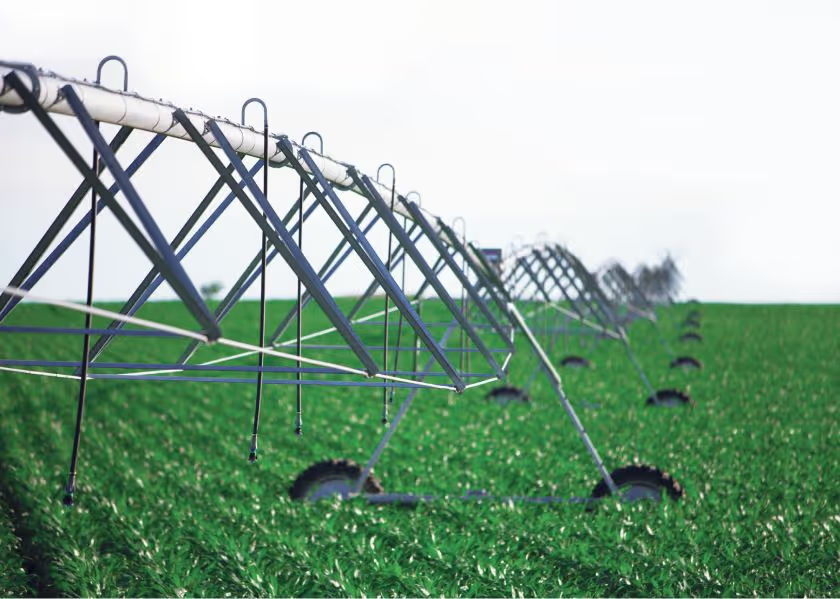
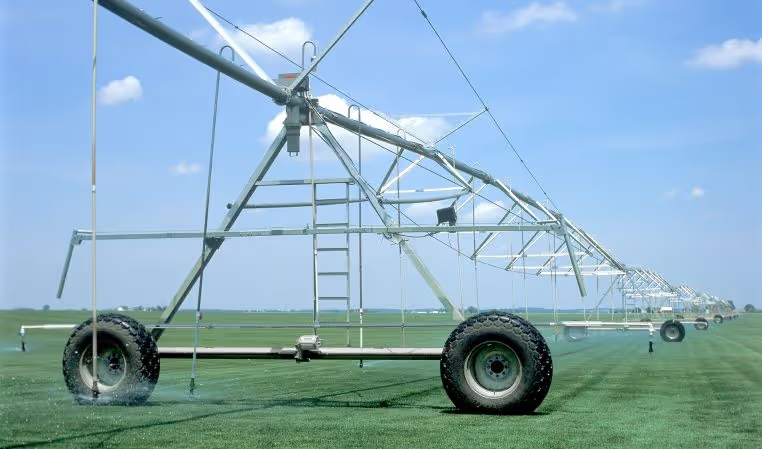
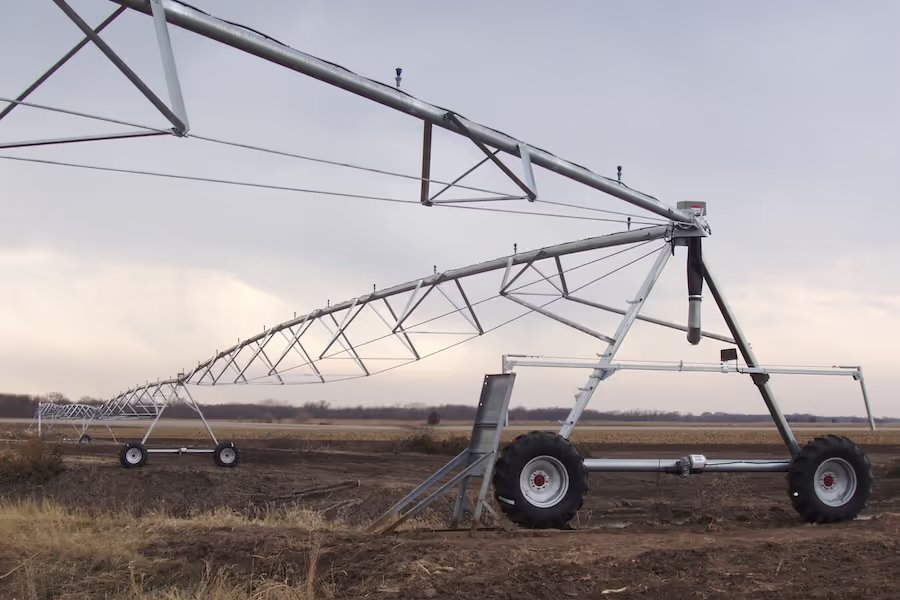
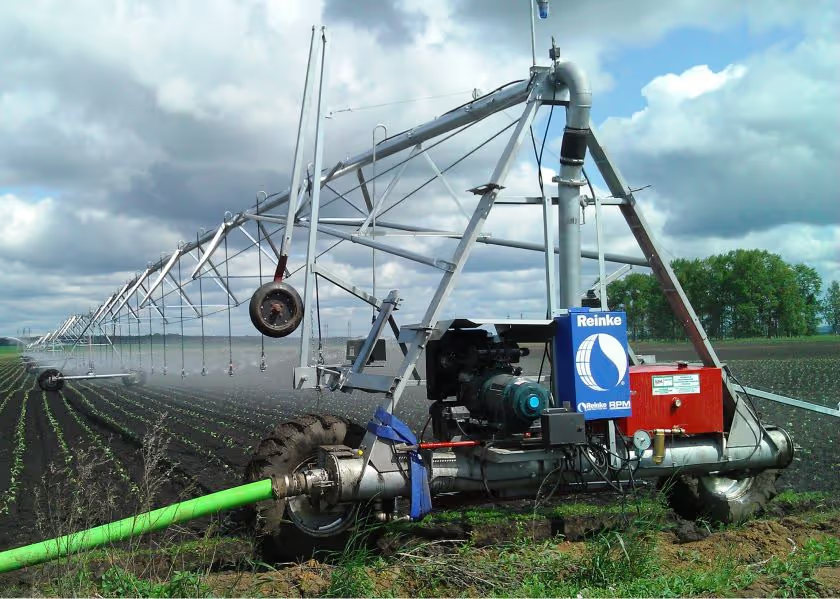
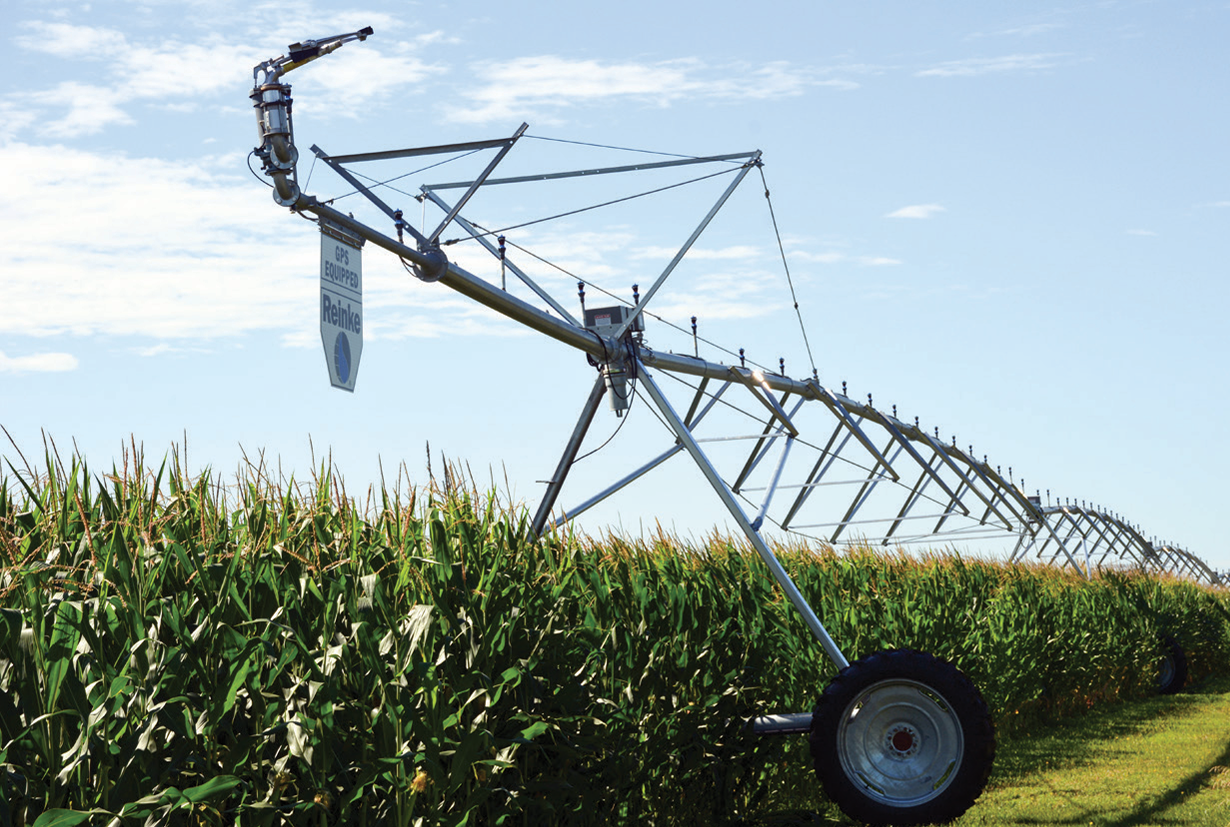
Reinke’s Electrogator center-pivot irrigation system is engineered to address the unique water management challenges of large-scale biofuel farming. Its design and advanced features provide the control and efficiency necessary to optimize yields while conserving vital resources. Studies have shown that modern precision irrigation technologies, such as center-pivot systems, play a direct role in enhancing the productivity of crops used for biofuels. By supporting optimal moisture levels, these technologies can boost crop yields by over 30% in some cases, directly increasing the biomass available for energy conversion (Daccache et al., 2014; O’Leary et al.,2011). This increased biomass from crops like corn and soybeans is the foundation of higher ethanol and biodiesel output, making the entire production process more profitable and sustainable. At its core, the Electrogator delivers efficient, consistent moisture across vast acreage. This ensures every part of the field receives the precise amount of water required, eliminating over watering or underwatering that can plague less sophisticated systems. The result is a field of uniformly thriving plants, primed for maximum productivity.
Integrated Solutions for Peak Productivity
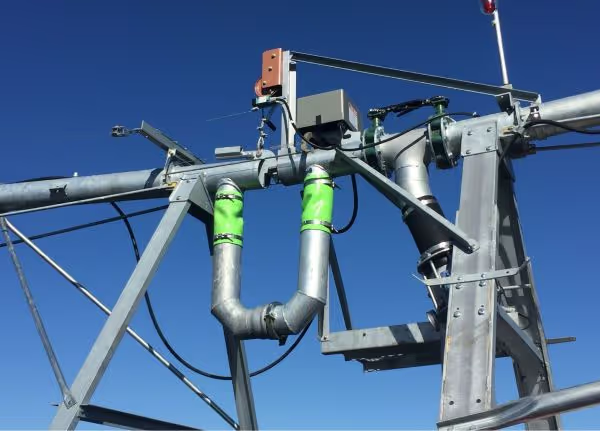
A key advantage of the Electrogator is its electric drive system. Unlike hydraulic systems, electric drives offer quiet operation and are known for their low-maintenance operation. Fewer moving parts and less fluid to manage translate to less downtime and lower operational costs. This reliability is critical for large-scale biofuel operations where consistent uptime is essential to meet demand and optimize profitability. The true power of the Electrogator lies in its advanced control systems. Reinke understands thateffective irrigation is not a one-size-fits-all solution. Factors such as soil type, crop stage, weather patterns, and field topography all influence water needs. By supporting data-driven decisions, Reinke’s suite of control technologies is essential for growers who must manage large-scale biofuel operations with maximum efficiency. This level of precision directly supports the goals of biofuel production, where every measure of efficiency contributes to a more viable energy source.
ReinCloud® 3: This sophisticated platform provides growers with real-time access to their irrigation systems from anywhere, at any time. Through a user-friendly interface, farmers can monitor system status, adjust application rates, and even receive alerts, all from their smartphone, tablet, or computer. This level of remote control and monitoring is invaluable for large-scale operations. RC3™ Control Panel: The RC3™ panel offers intuitive, onsite control of the Electrogator system. Its robust design and easy-to-navigate interface allow growers to program precise irrigation schedules, manage individual zones, and quickly respond to changing field conditions. Reinke’s RPM Lineup of Control Panels: This range of control panels offers various levels of functionality to meet diverse grower needs, from basic control to highly advanced programmable options. Each panel is designed for durability and ease of use, ensuring reliable performance in demanding agricultural environments. These control systems enable growers to tailor application rates to meet specific crop needs and field conditions. For example, a grower might apply less water to an area with heavier soil that retains moisture longer or increase application in a sandy patch that drains quickly. This level of precision prevents water waste, reduces input costs, and optimizes water availability for the crops.
Sustainable Biofuel Farming: A Partnership with Reinke
The Electrogator’s contribution to sustainable, large-scale biofuel farming is multifaceted. By supporting high biomass productivity, it directly enhances the efficiency of biofuel production. More biomass per acre means more energy output, making the entire process more environmentally and economically viable. Simultaneously, the Electrogator plays a crucial role in conserving water. Its precise application capabilities minimize runoff and deep percolation, ensuring that every drop of water is used effectively by the crop. This is paramount in regions facing water scarcity and aligns with broader sustainability goals. By automating and optimizing the irrigation process, the Electrogator also helps in reducing labor requirements. Growers can manage larger acreages with fewer personnel, freeing up valuable time and resources for other critical farm operations.
Conclusion
As the world increasingly turns to renewable energy, the importance of efficient and sustainable biofuel crop production will only grow. Reinke’s Electrogator center pivot irrigation system stands as a testament to agricultural innovation, providing growers with the tools needed to meet this demand. By ensuring precise water management, promoting uniform growth, and offering advanced control, the Electrogator not only optimizes yields and energy output but also champions the principles of water conservation and reduced labor. For growers looking to maximize profitability and contribute toa sustainable energy future, the Reinke Electrogator is not just an irrigation system; it’s a vital partner in progress.
References:
Bayer Crop Science. (2023, February 28). Soybean Water Use and Irrigation Timing. Retrieved fromhttps://www.cropscience.bayer.us/articles/bayer/soybean-water-use-and-irrigation-timing
Daccache, A., Weather head, E. K., Foulkes, J. M., &Knox, J. W. (2014). Impacts of climate change on the water requirements of the UK’s main arable crops. Climatic Change, 128(1–2), 95–109. https://doi.org/10.1007/s10584-014-1285-y
K-State Research and Extension. (n.d.). Corn Growth & Development. Retrieved from https://www.agronomy.k-state.edu/extension/crop-production/corn/corn-growth-development.html
Michigan State University Extension. (2020, July 9).Moisture stress and high temperature effects on soybean yields. Retrieved fromhttps://www.canr.msu. edu/news/moisture_stress_and_high_temperature_effects_on_soybean_yields
O’Leary, P., Daccache, A., Weatherhead, E. K., & Knox,J. W. (2011). An assessment of the impacts of climate change on the irrigation water requirements of UK main crops. Agricultural Water Management, 98(7),1145–1152. https://doi.org/10.1016/j. agwat.2011.02.012
University of Minnesota Extension. (n.d.). Dry conditions during corn pollination. Retrieved from https://extension.umn.edu/growing-corn/dry-conditions-during-corn-pollination