.avif)

.avif)
.avif)

.avif)
.avif)
.avif)
.avif)


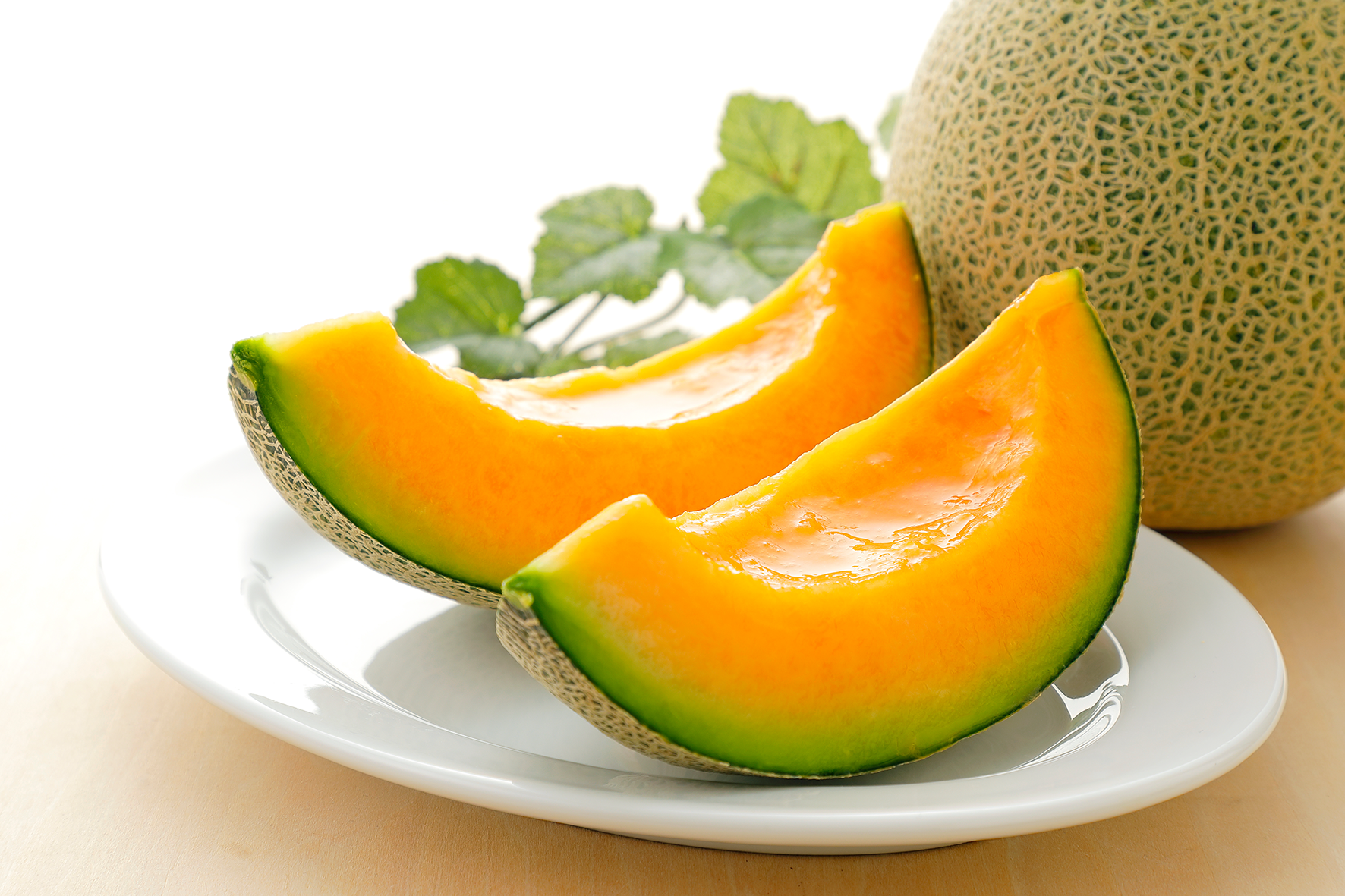
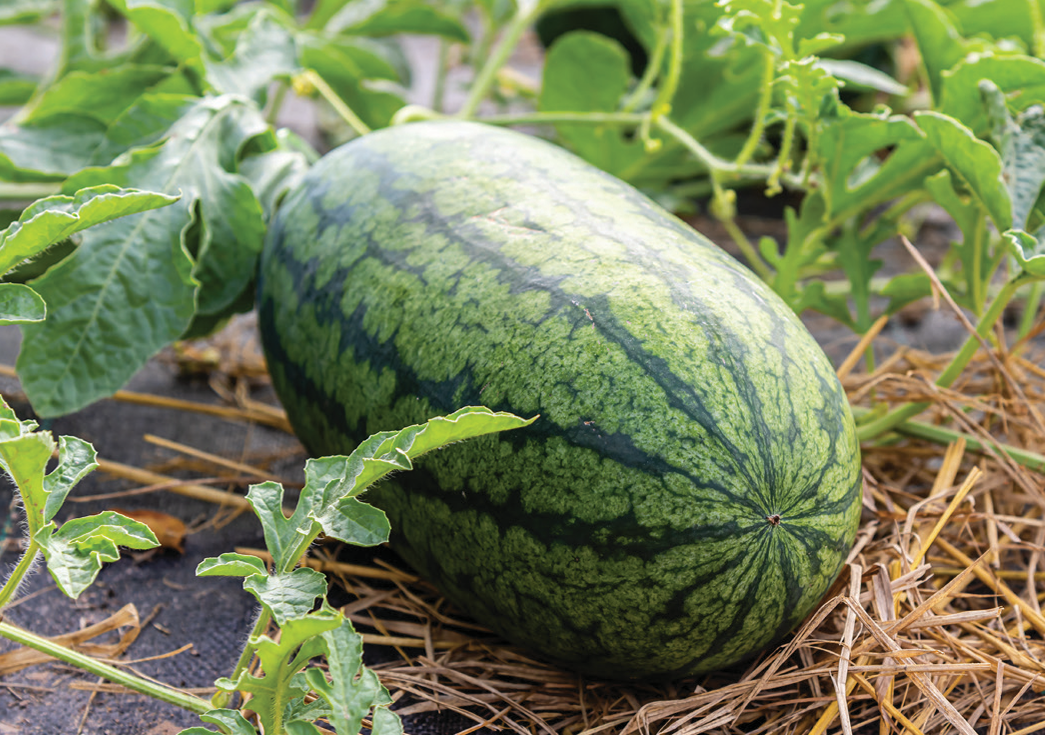
Cantaloupe is named after the papal gardens of Cantalupo, Italy, where historians claim the species was first grown.
In mythology and folklore, the cantaloupe is a symbol of life’s sweetness and the earth’s generosity. In reality, it is a deliciously sweet and juicy fruit, commonly enjoyed in the summertime and at picnics.
Benefits of Eating Cantaloupe
In the United States, the cantaloupe is ranked as the most popular type of melon. It is highly regarded for its nutritional value and health benefits. The cantaloupe is a staple in diets, especially during its peak season from July to September. American seat an average of 27 pounds of cantaloupes per year, compared to 8.7 pounds worldwide.
Cantaloupes are packed with vitamins for vision, skin and immune health, potassium for heart and muscle function, and antioxidants beneficial for eyes and cells. “The nutrients in cantaloupe are an important key for unlocking healthy eyes and vision,” says Julia Zumpano. The body uses vitamin A to help your eyes stay moist, and getting enough vitamin A prevents some types of blindness. (Cleveland Clinic, 2025).
The cantaloupe is roughly 90% water, which makes it very hydrating and low in calories, at approximately 54 calories per cup. Not only is the sweet, juicy flesh edible, but when the seeds are cleaned and roasted, they are edible too.
The high demand for cantaloupe creates significant opportunities for growers, who can optimize production through effective irrigation management.
Consistent Moisture
Cantaloupes require a noteworthy and steady amount of water to grow, especially during vine development and fruit sizing. The soil needs to be moist, but not waterlogged. Water is a critical component in cantaloupe production, as melons are commonly grown in sandy soils with low water-holding capacity, making irrigation necessary for consistently high yields (Boyhan, etal, 2017).
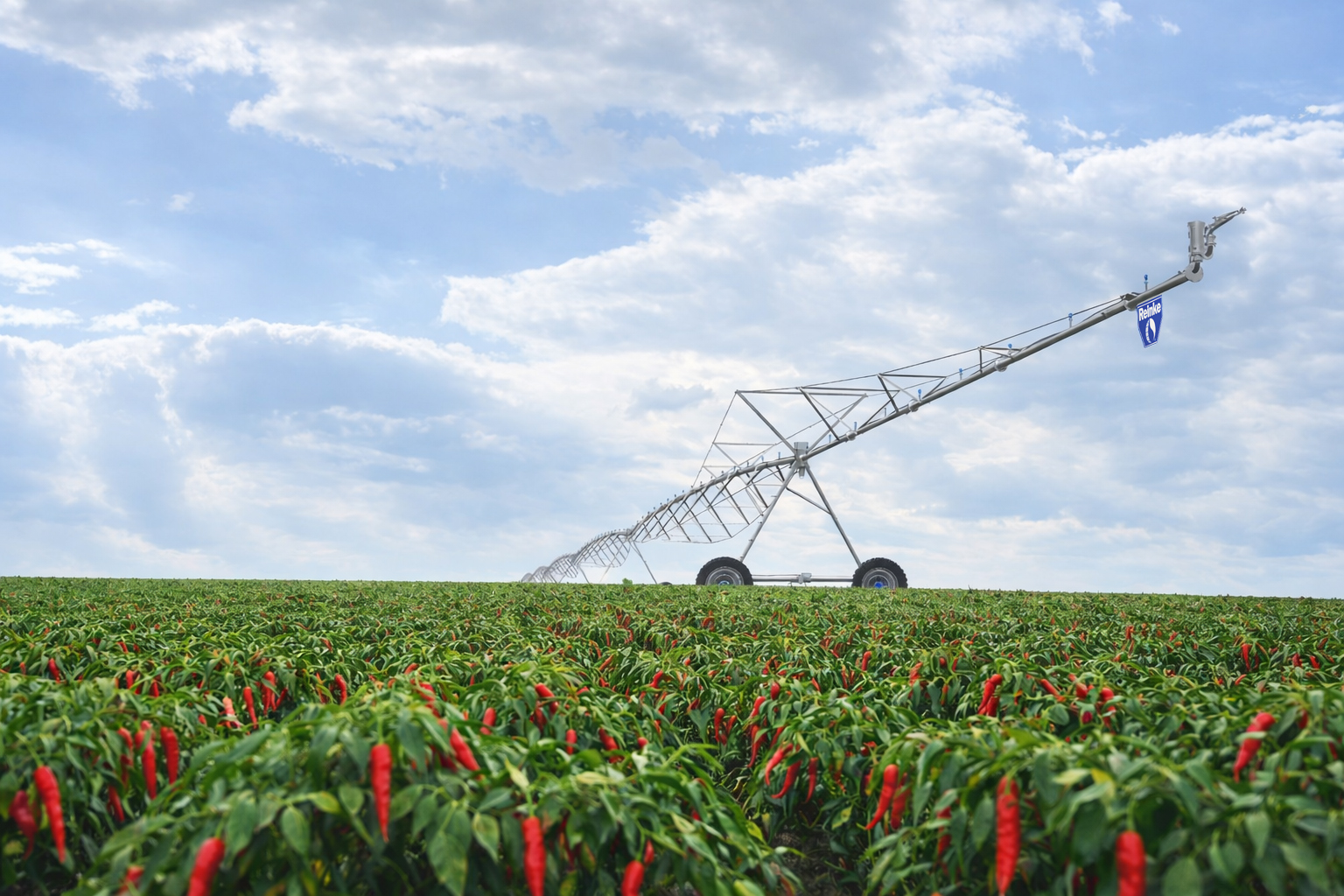
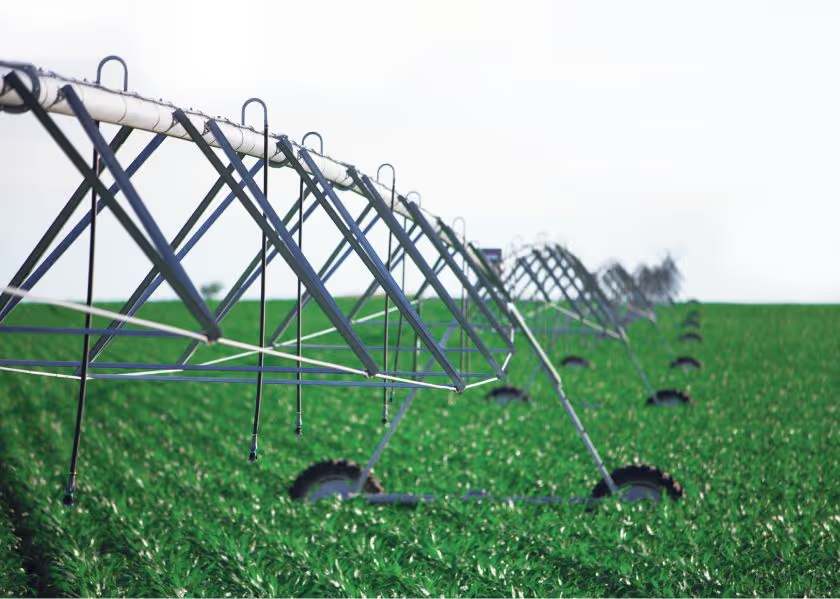
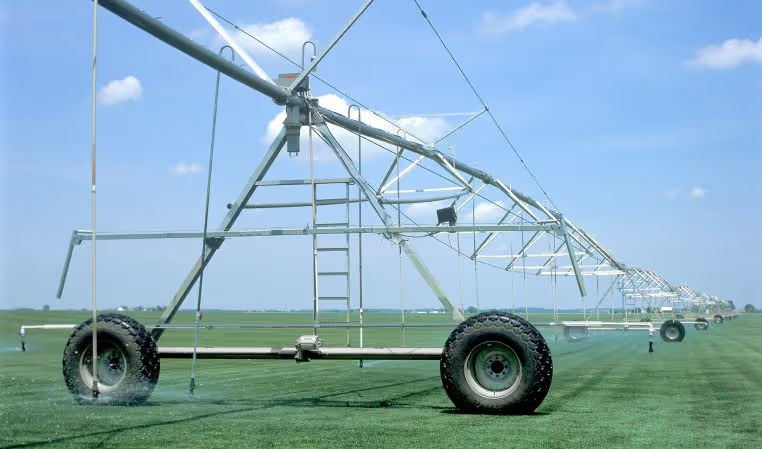
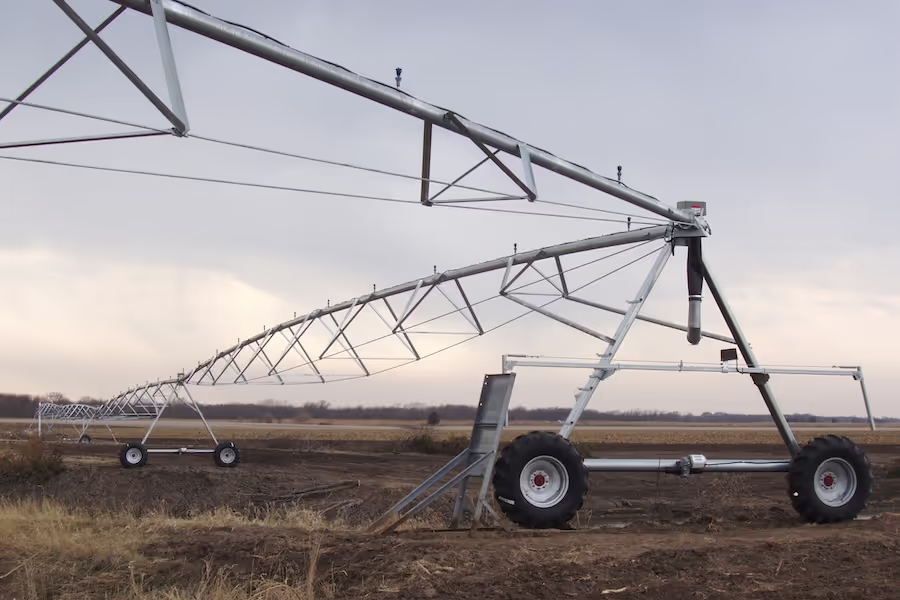
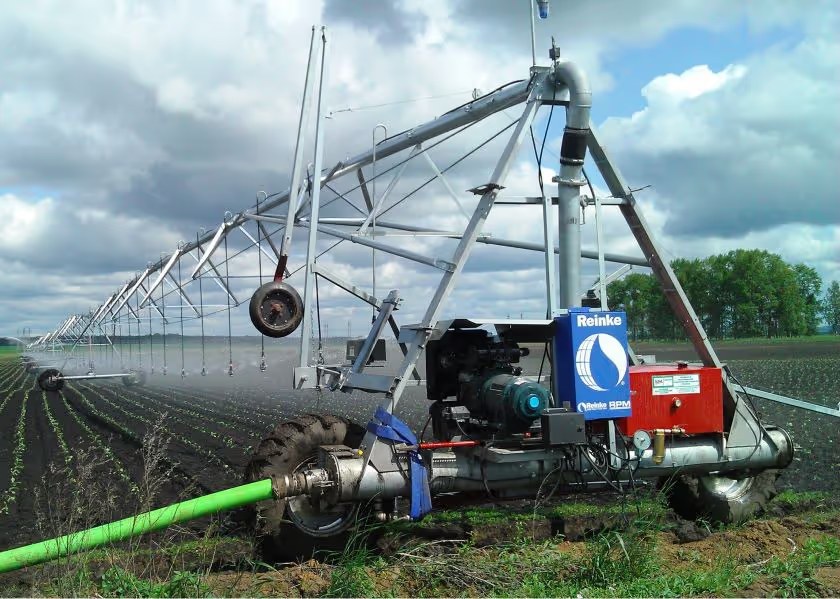
With center pivot irrigation, consistent moisture can be applied across the field eliminating over-and-under-watering. The system provides uniform water application, which is essential for optimizing crop production.
Effective Irrigation
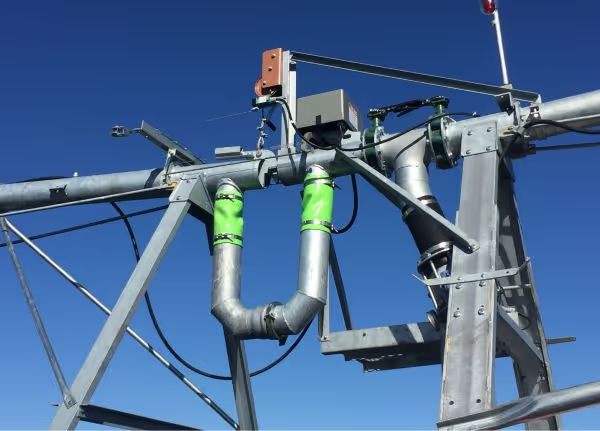
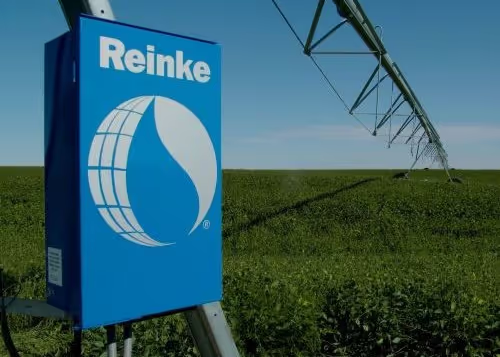
Growers are continually seeking an advantage to maximize efficiency and success, while maintaining top-notch quality in their operation. By using a Reinke center pivot system equipped with smart irrigation tools, growers can achieve that competitive edge. They receive real-time updates from anywhere, and can promptly adapt to shifting conditions.
Decisions are based on current field conditions, rather than guesswork or fixed schedules. The grower can oversee and control multiple machines from a single interface, enabling efficient management of larger operations where each system is independently monitored and controlled.
Meeting these precise watering needs is critical, especially during the peak growth period of the cantaloupe. From the first bloom to harvest, cantaloupes require up to 0.75 inches of water every three days, with higher amounts up to 1 inch needed during temperatures over 95°F.
Strategic irrigation scheduling can optimize water management, and efficient irrigation methods not only ensure optimal crop growth and yield, but also play a crucial role in conserving water resources.(The University of Arizona, 2025).
Technology plays a crucial role in relieving water stress during key growth periods, ensuring a steady supply of water throughout the crop’s growth cycle. As a result, growers can implement irrigation strategies with unmatched precision.
Reliable Irrigation
For cantaloupe, center pivot irrigation is the ideal option. Good cantaloupe yield under irrigation in Oklahoma is 8 tons per acre. Under ideal conditions, over 10 tons per acre have been achieved. (OSU Extension,2017). Yield is highly dependent on irrigation efficiency.
By combining smart technology with precise irrigation techniques, growers can achieve optimal water usage and boost crop yields. Reinke irrigation systems are reliable and work just as hard as the grower; and are built to bring out the best in crop production.
References
OSU (Oklahoma State University) Extension (2017). Cantaloupe Production. https://extension.okstate.edu/fact-sheets/cantaloupe-production.html
Boyhan, G. E., Kelley, W. T., & Gran berry, D. M. (2017).Cantaloupe and specialty melons (Publication No. B1179). https://extension.uga.edu/publications/detail.html?number=B1179 University of Georgia Cooperative Extension.
Cleveland Clinic (2025). 4 Health Benefits of Cantaloupe. https://health.clevelandclinic.org/cantaloupe-health-benefits, Cleveland Clinic, Registered Dietitian Julia Zumpano, RD, LD.
The University of Arizona Cooperative Extension (2025). Cantaloupe Yield and Water Productivity Under Different Irrigation Systems, Regimes and Soil Conditions in Arizona. https://extension.arizona.edu/publication/cantaloupe-yield-and-water-productivity-under-different-irrigation-systems-regimes-and