.avif)

.avif)
.avif)

.avif)
.avif)
.avif)
.avif)


.avif)
DÉCOUVREZ COMMENT REINKE FAIT LA DIFFÉRENCE
Découvrez des histoires de producteurs qui ont transformé leurs activités grâce aux systèmes Reinke.
.avif)
ÉTUDE DE CAS
Avantages de l'irrigation à pivot central par rapport à l'irrigation par inondation
Les premières civilisations utilisaient l'irrigation par inondation, également connue sous le nom d'irrigation par sillons, pour faire pousser des cultures. Malgré les nombreux avantages de l'irrigation mécanisée, cette méthode est toujours utilisée dans le monde entier.
LIRE L'ÉTUDE DE CAS.avif)
ÉTUDE DE CAS
Avantages de l'irrigation à pivot central par rapport à l'irrigation goutte à goutte
L'objectif de l'irrigation goutte à goutte est d'utiliser un minimum de ressources grâce à une application d'eau extrêmement efficace. Cependant, les systèmes goutte à goutte présentent un certain nombre d'inconvénients qui doivent être pris en compte avant de décider s'ils conviennent à un domaine spécifique.
LIRE L'ÉTUDE DE CAS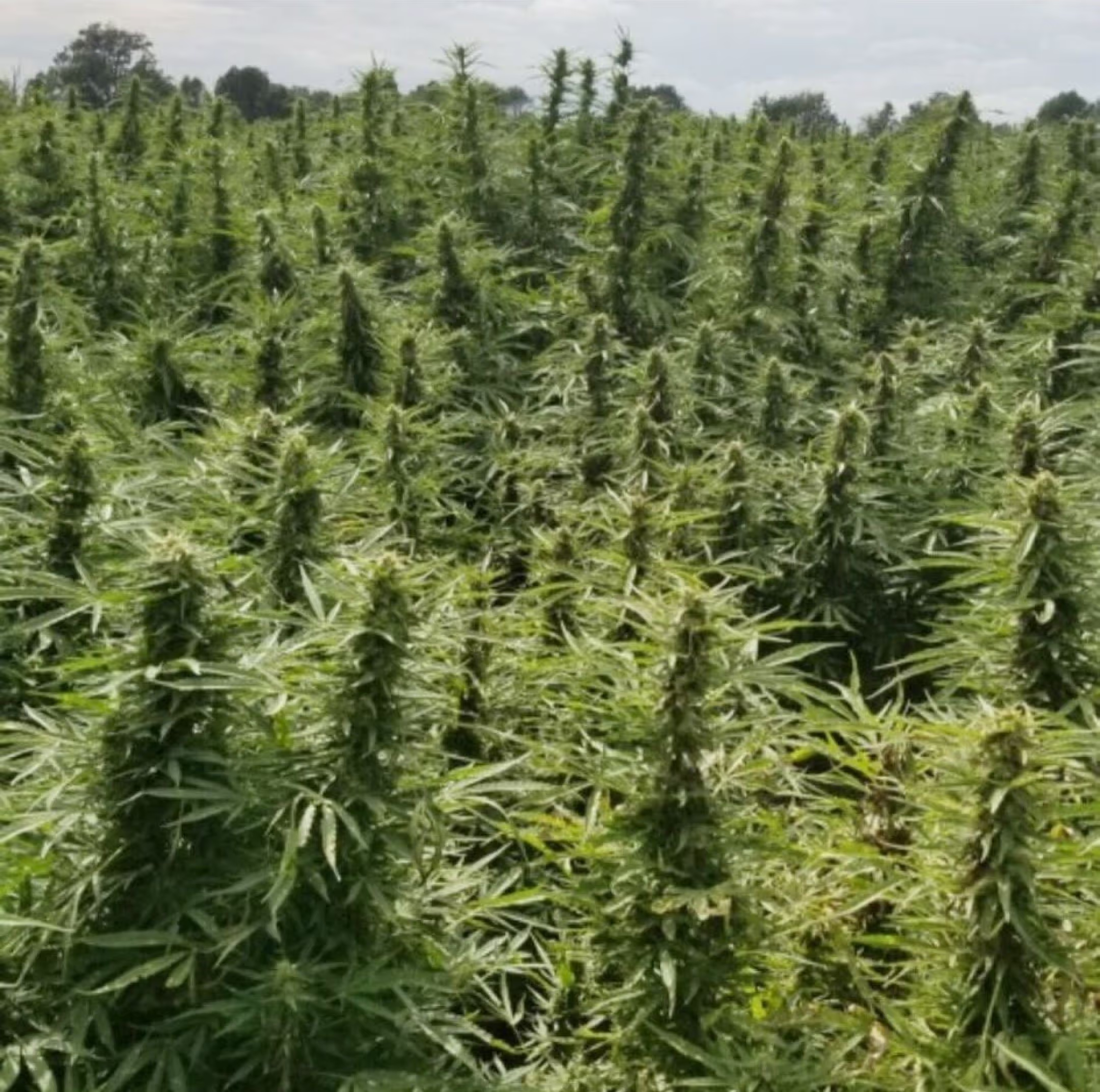
ÉTUDE DE CAS
Irrigation mécanisée pour la production de chanvre
Matthew Colley est un producteur agricole diversifié. Il cultive des céréales et du tabac et élève 10 000 têtes de porc ainsi qu'une grande exploitation avicole. Colley a planté quelques hectares de chanvre en 2017 pour expérimenter la culture de la plante et la transformer en cannabidiol, le cannabinoïde non psychoactif connu sous le nom de CBD et utilisé dans divers produits de santé.
LIRE L'ÉTUDE DE CAS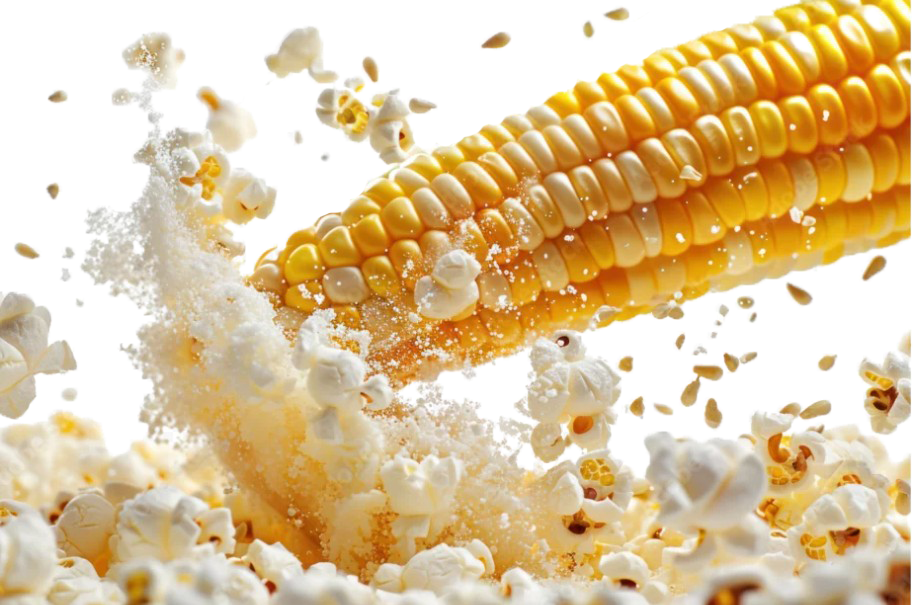
RÉCOLTE
Popcorn
Popcorn is a signature American specialty crop, with Nebraska leading production due to its strong irrigation infrastructure. Its unique characteristics require precise moisture management, making center pivot irrigation essential for maintaining yield and quality. Advances in irrigation technology have strengthened the Midwest’s role in popcorn production, supporting growers and rural communities while delivering a high-value crop.
LIRE L'ÉTUDE DE CAS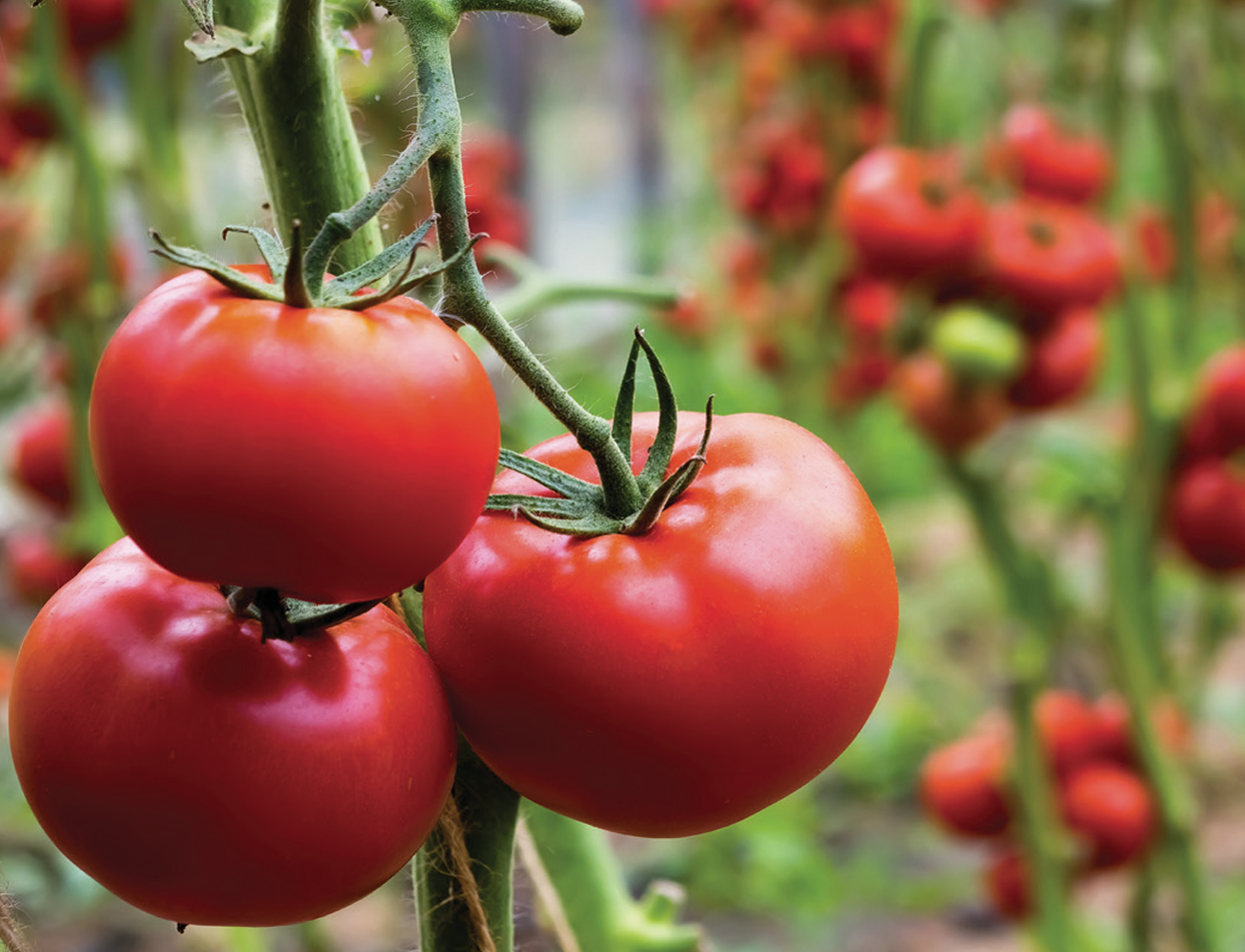
RÉCOLTE
Tomato
Tomatoes, whether destined for the vibrant fresh market or the bustling processing plant, stand out as a cornerstone of global agriculture. Their successful cultivation hinges on a delicate balance of factors, none more critical than water.
LIRE L'ÉTUDE DE CAS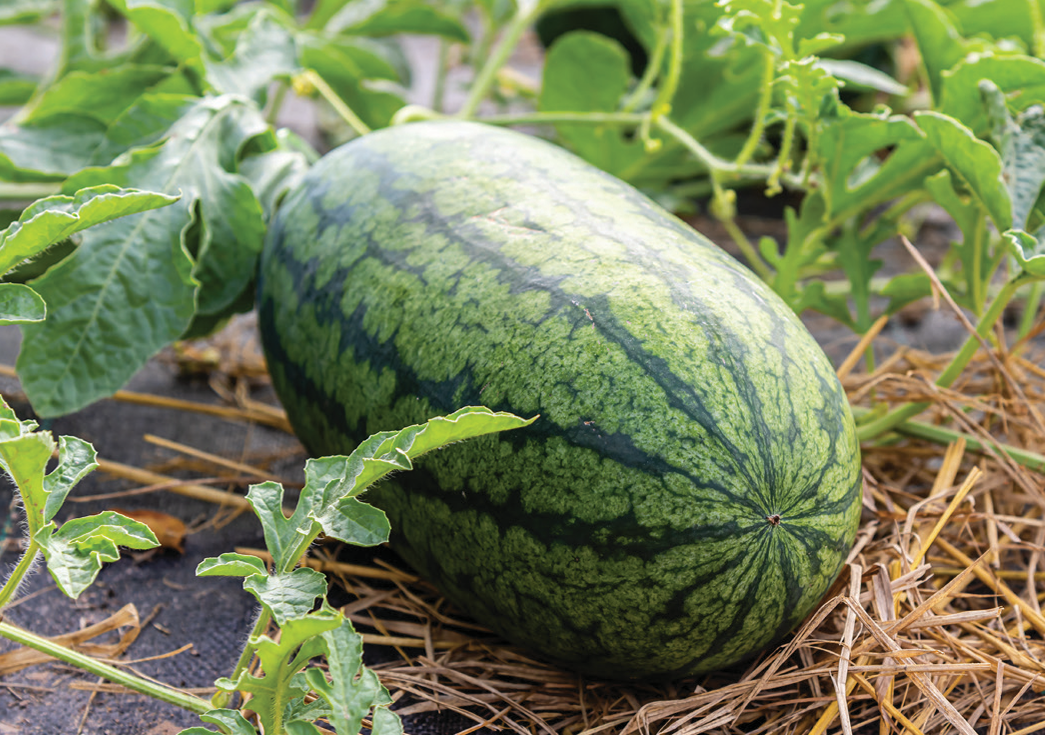
RÉCOLTE
Watermelon
Watermelon cultivation thrives on a delicate balance, particularly concerning water. Consistent, timely irrigation throughout the growth cycle, especially during the critical stages of flowering and fruit set, is paramount for a successful harvest.
LIRE L'ÉTUDE DE CAS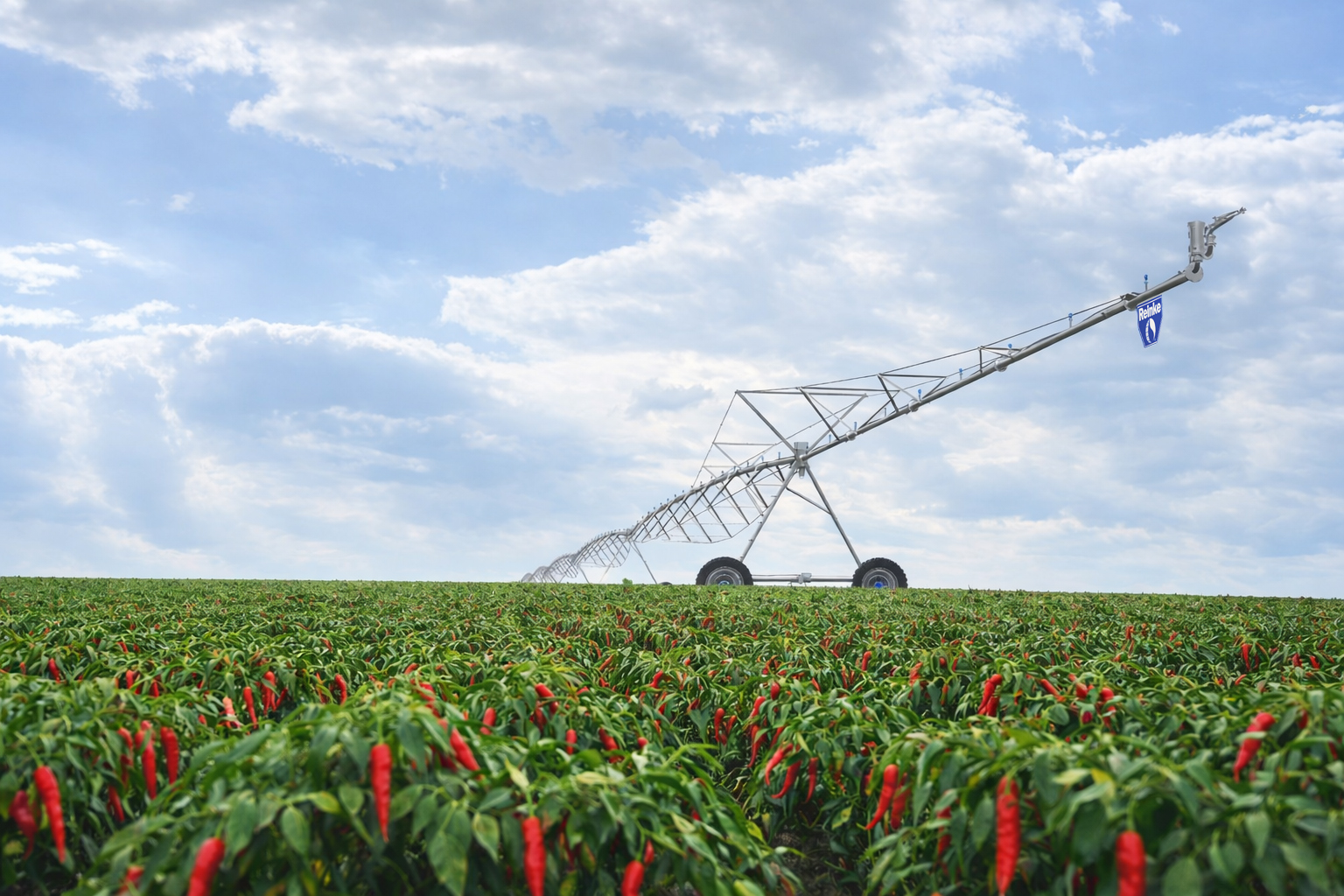
RÉCOLTE
Chili Peppers
Chili peppers are considered a fruit in botanical terms since they emerge from the pistil of a flower and contain seeds. Despite their scientific classification, the culinary world treats them as a vegetable (or spice), due to their savory use in cooking.
Download Handout
LIRE L'ÉTUDE DE CAS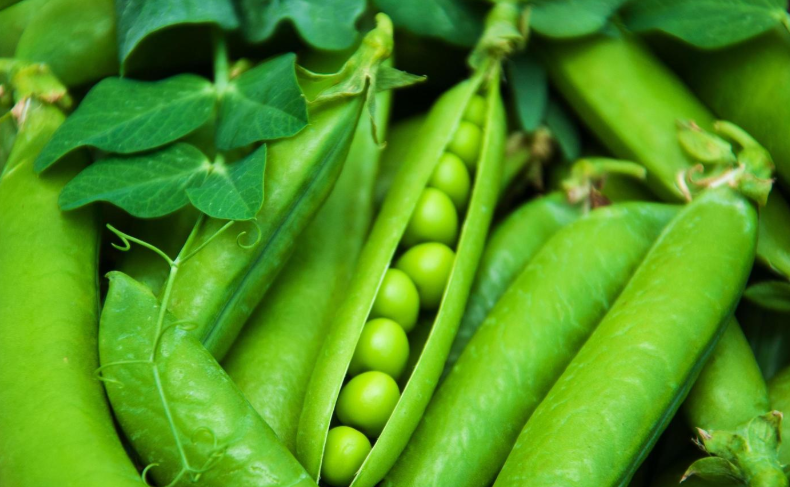
RÉCOLTE
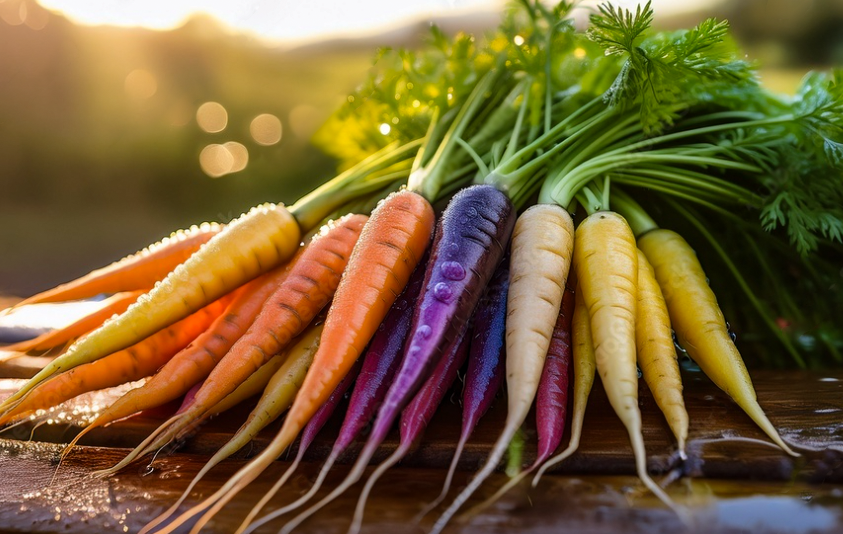
Carrots
Are the second-most popular vegetable around the world, with over 6 million tons produced annually. The most popular carrot variety is orange, but they are also available in various colors which include purple, red, yellow, and white. Carrots are rich in vitamins and antioxidants, making them a healthy food choice to be enjoyed in a number of ways.
LIRE L'ÉTUDE DE CAS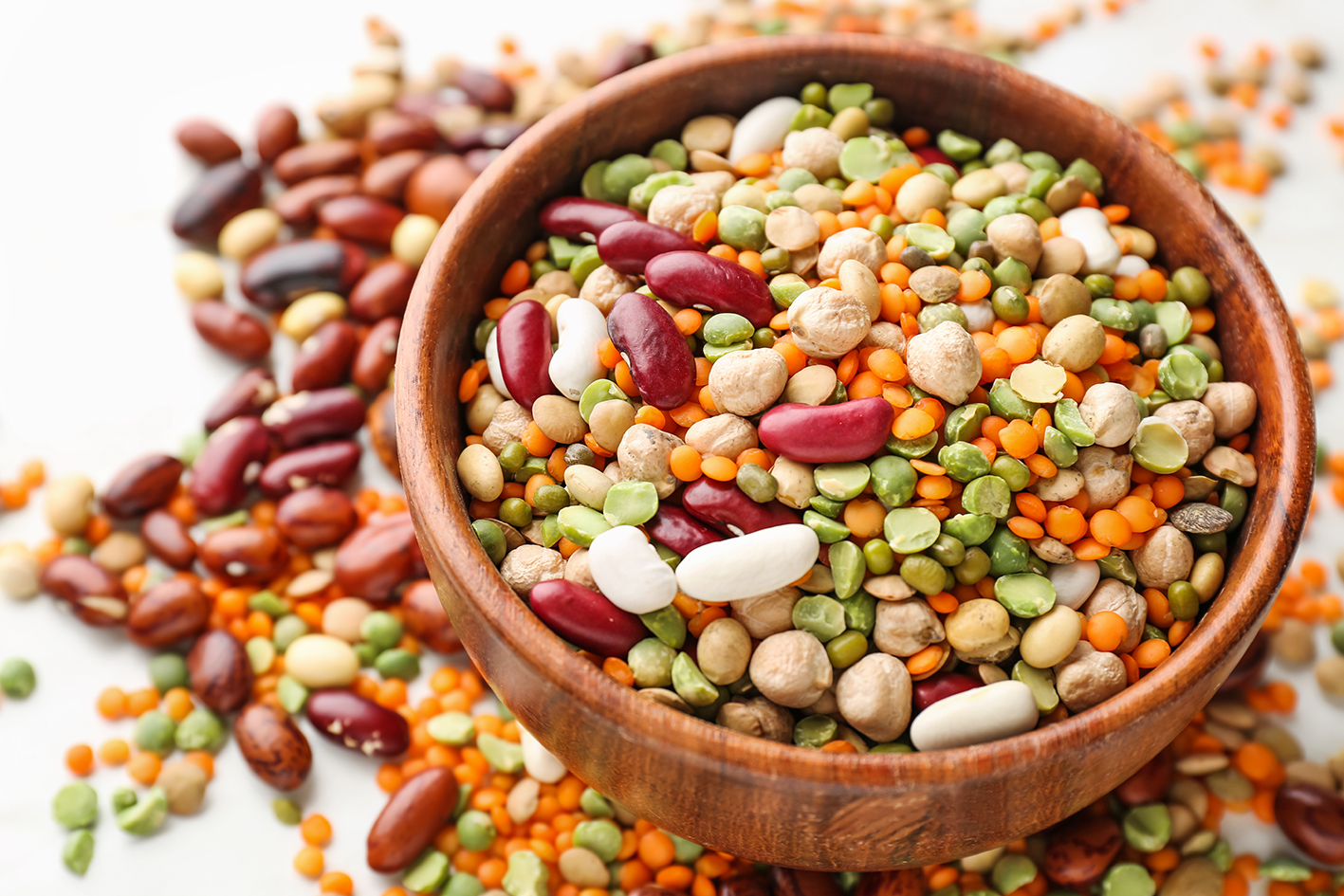
RÉCOLTE
Edible Beans
Are known worldwide as a staple food due to their affordability, high nutritional value, and long shelf life. Edible beans are versatile in the kitchen, offer a full protein profile when combined with grains, and are environmentally sustainable to grow.
LIRE L'ÉTUDE DE CAS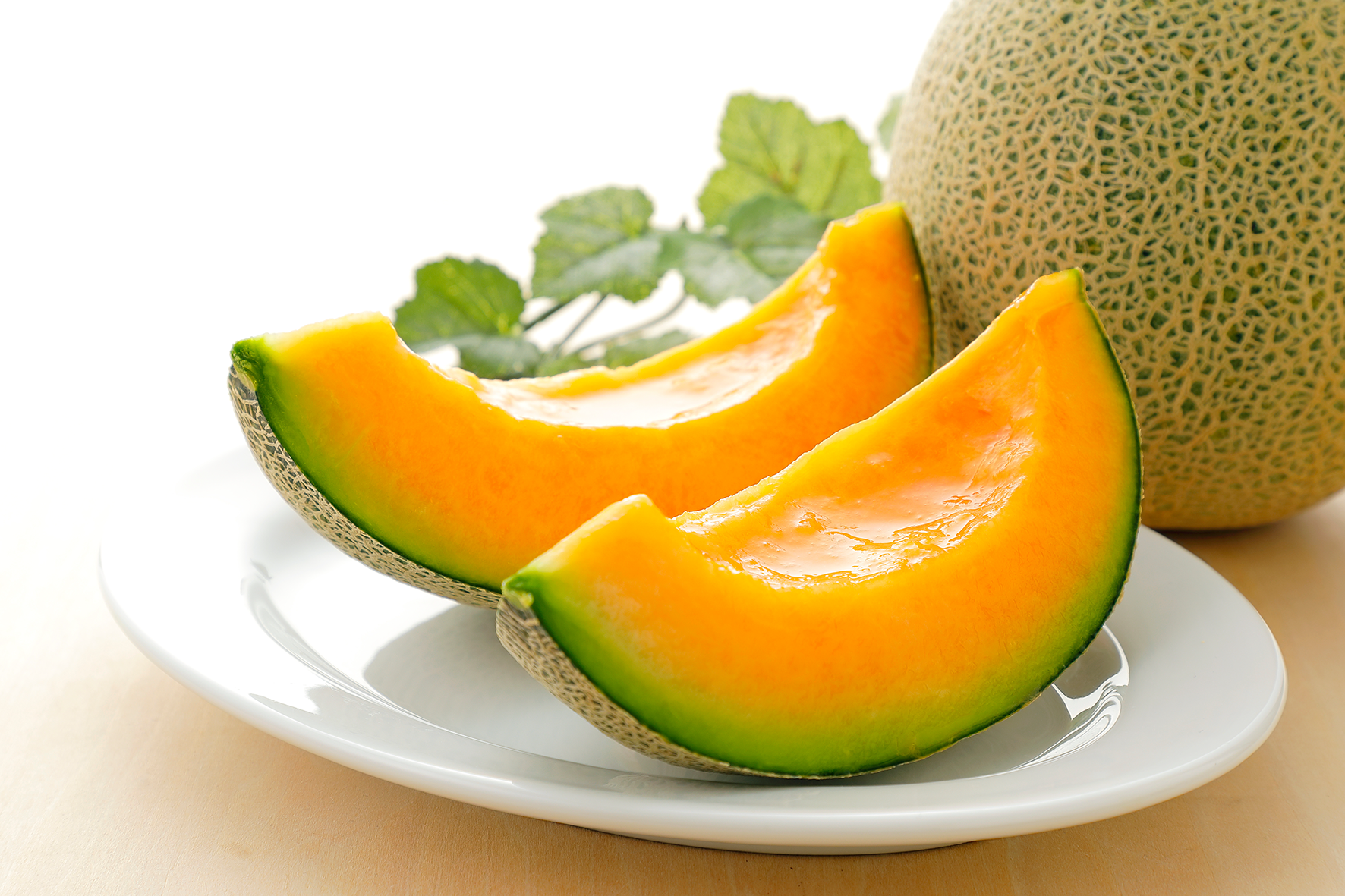
RÉCOLTE
Cantaloupe
Named after the papal gardens of Cantalupo, Italy, where historians claim the species was first grown. In mythology and folklore, the cantaloupe is a symbol of life’s sweetness and the earth’s generosity. In reality, it is a deliciously sweet and juicy fruit, commonly enjoyed in the summertime and at picnics.
LIRE L'ÉTUDE DE CAS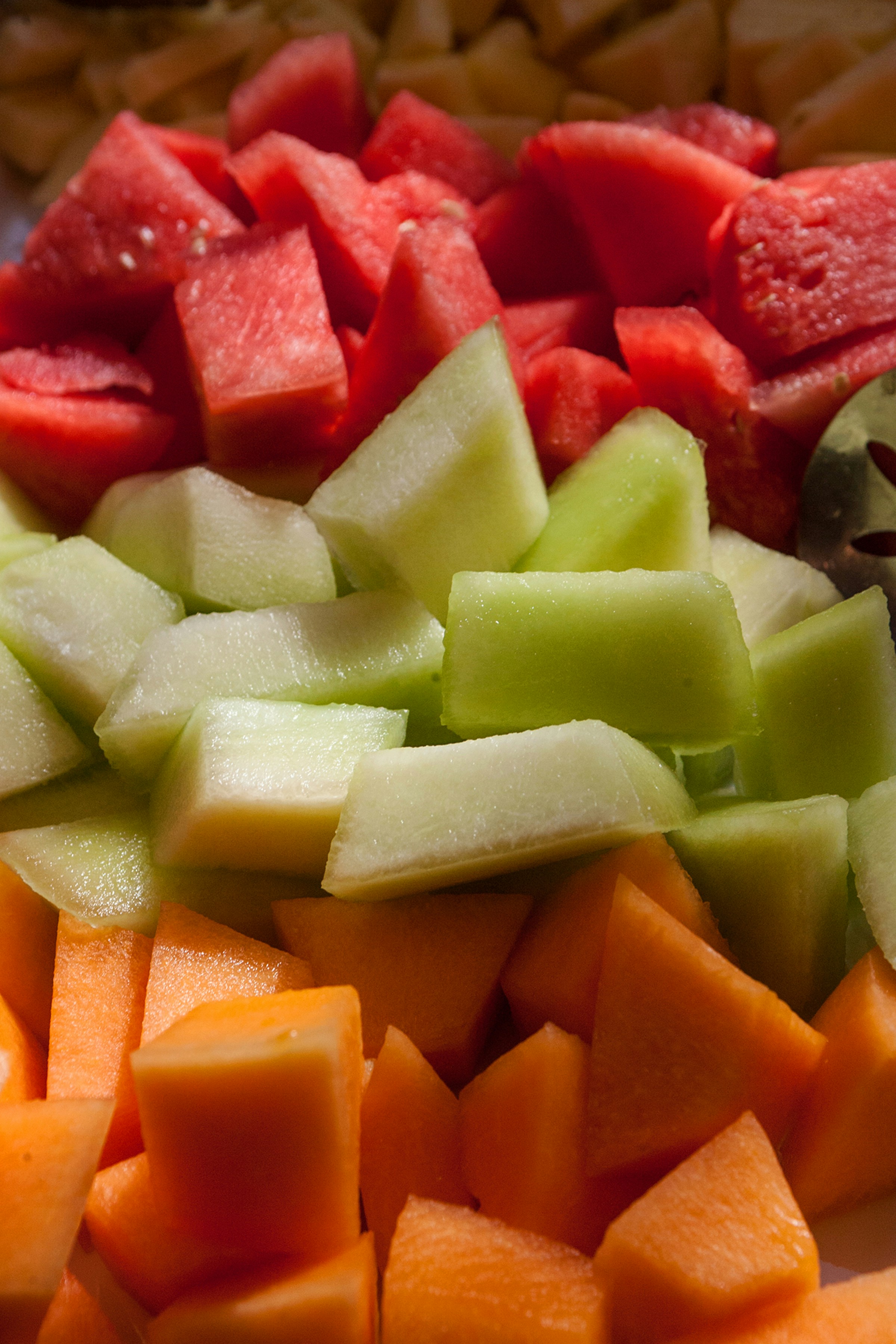
RÉCOLTE
Melons
Melons come in a variety of flavors and colors, with more than 1,200 varieties available. Each is nutrient-dense, low-calorie, and offers significant hydration.
LIRE L'ÉTUDE DE CAS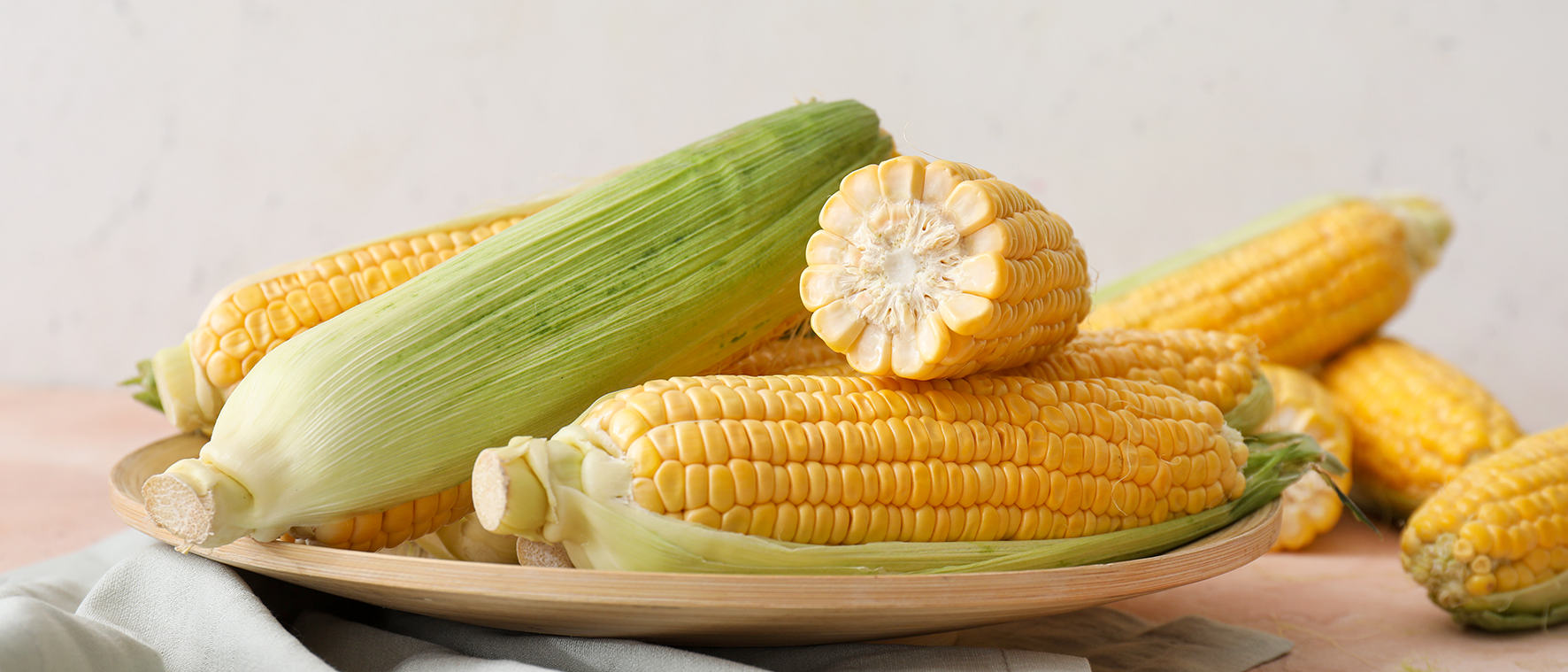
RÉCOLTE
Sweet Corn
Sweet corn is picked fresh and eaten while the kernels are tender and sweet. This is fundamentally different from the field corn variety, which is harvested dry for animal feed or processing.
LIRE L'ÉTUDE DE CAS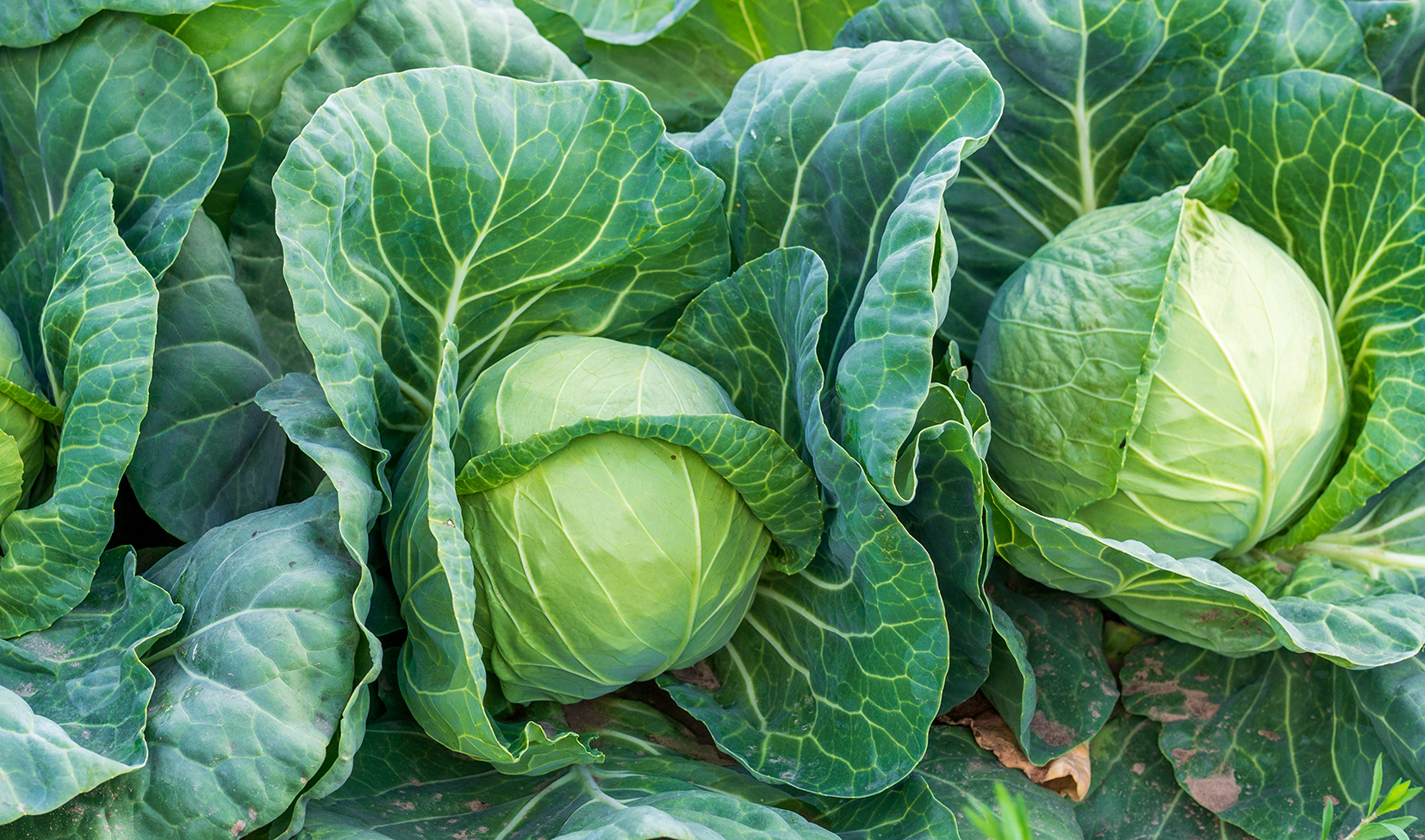
RÉCOLTE
Cabbage
Cabbage growers are achieving significant enhancements in crop quality and marketability through precision irrigation technology that maintains uniform moisture levels throughout the growing season.
LIRE L'ÉTUDE DE CAS
RÉCOLTE
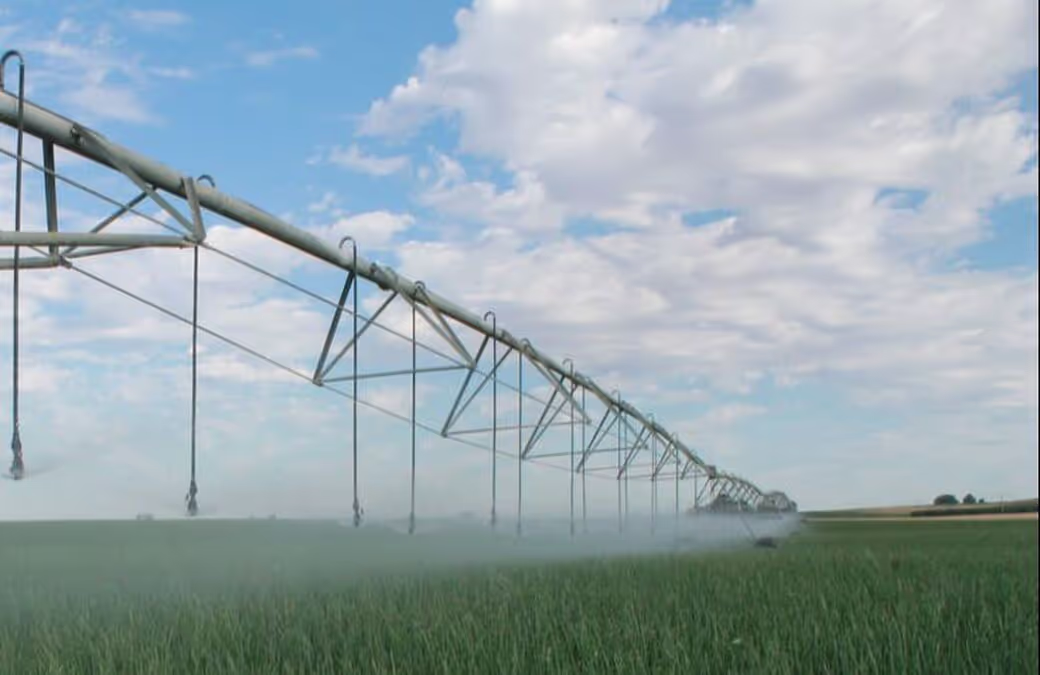
Fèves de soja
Les producteurs de soja répondent à une forte demande pour un produit aux usages variés.
LIRE L'ÉTUDE DE CAS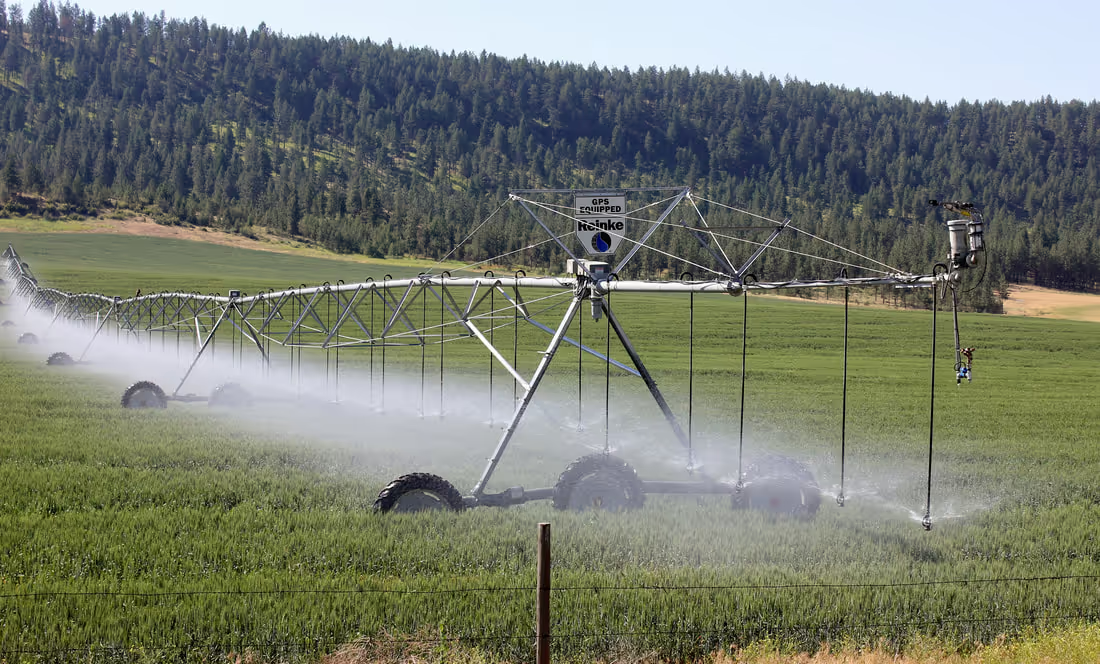
RÉCOLTE
Blé
Le blé est la troisième plus grande culture produite aux États-Unis après le maïs et le soja.
LIRE L'ÉTUDE DE CAS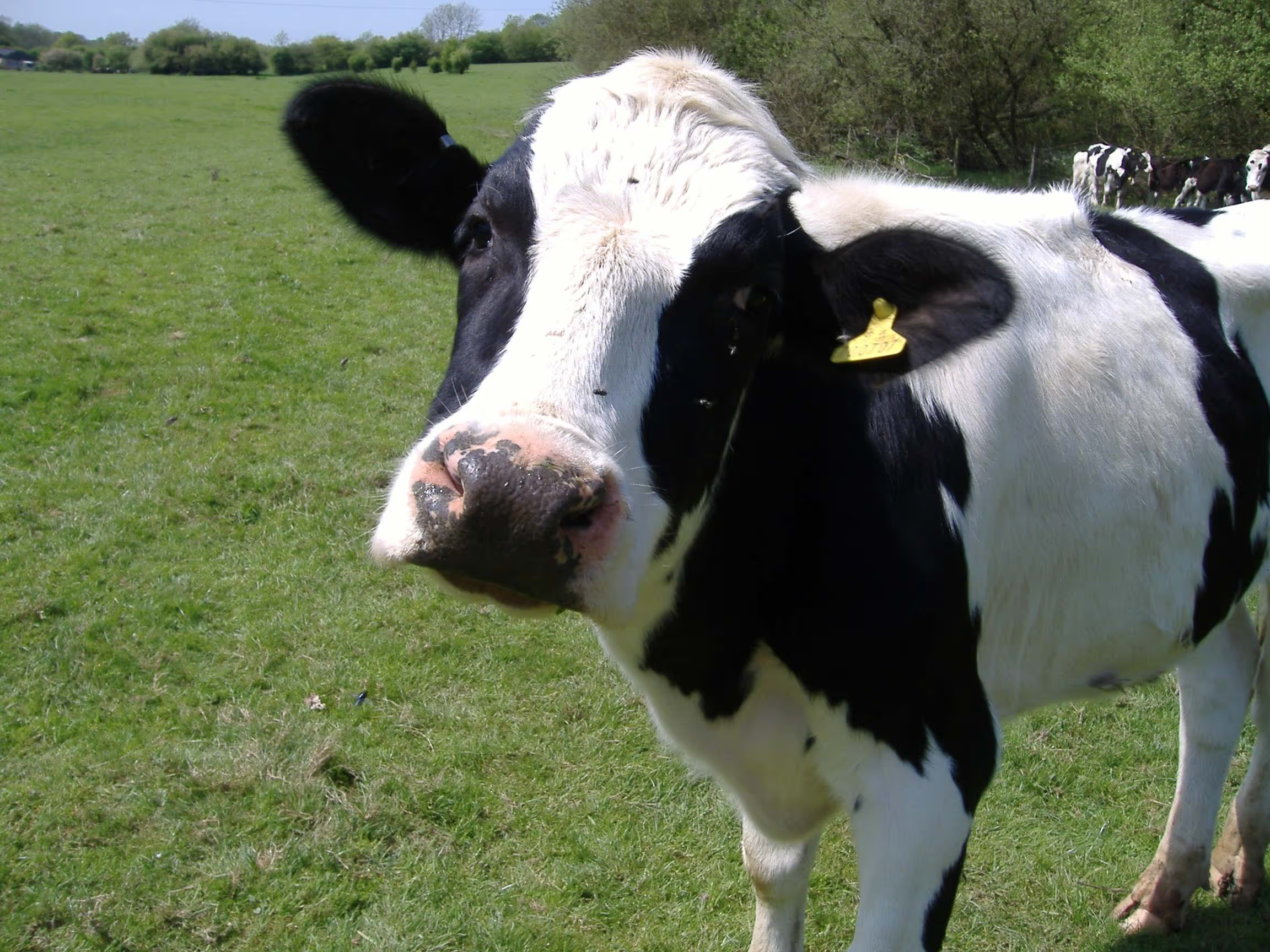
RÉCOLTE
Dairy
Center pivot and lateral move irrigation systems deliver precise, efficient watering that boosts forage quality, supports herd health, and improves dairy productivity—making them essential for sustainable, high-performing operations.
LIRE L'ÉTUDE DE CAS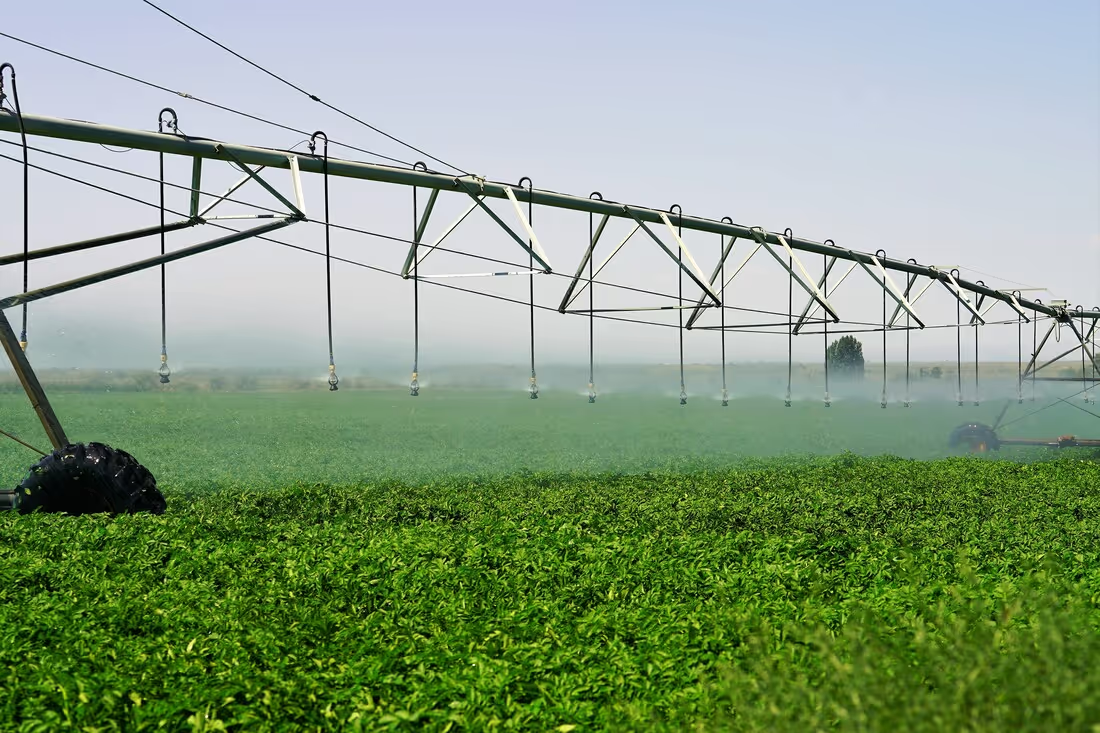
RÉCOLTE
Patate
Alors que les pommes de terre sont cultivées partout aux États-Unis, la majeure partie de la production du pays provient de l'Idaho et de Washington.
LIRE L'ÉTUDE DE CAS
RÉCOLTE
Sod
Smart irrigation technologies deliver precise, timely watering that supports dense, durable sod, minimizes resource waste, and promotes consistent root development for optimal turf quality.
LIRE L'ÉTUDE DE CAS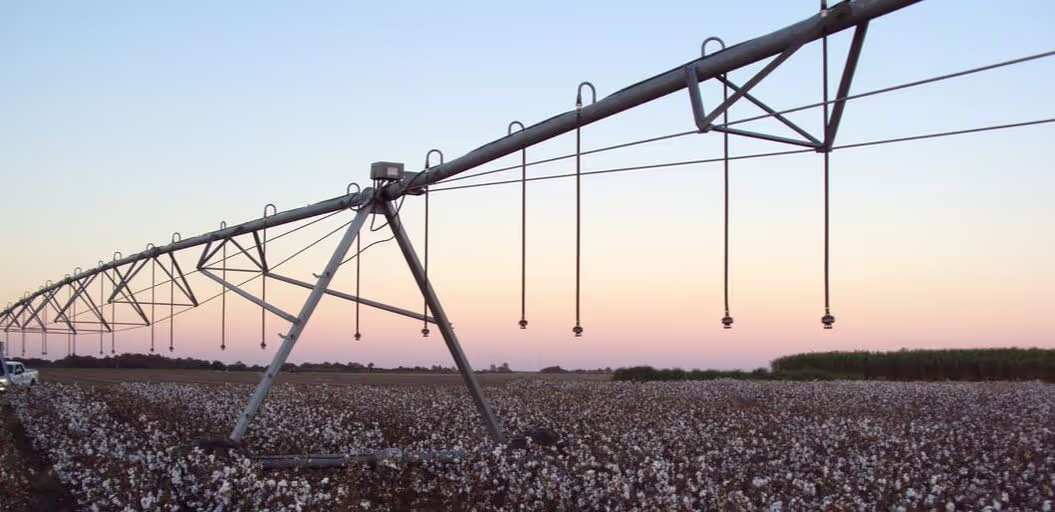
RÉCOLTE
coton
Chaque producteur de coton souhaite atteindre un potentiel de rendement maximal. L'irrigation est un outil important pour atteindre cet objectif.
L'irrigation nécessaire varie en fonction des précipitations, du type de sol et d'autres variables.
LIRE L'ÉTUDE DE CAS
RÉCOLTE
Chicorée
Au cours d'une saison récente, Andrés Villagra a récolté 91 tonnes de chicorée par hectare (37 tonnes par acre), une quantité qu'il n'avait jamais obtenue auparavant, dans son champ de la région de Bío Bío, au centre du Chili.
LIRE L'ÉTUDE DE CAS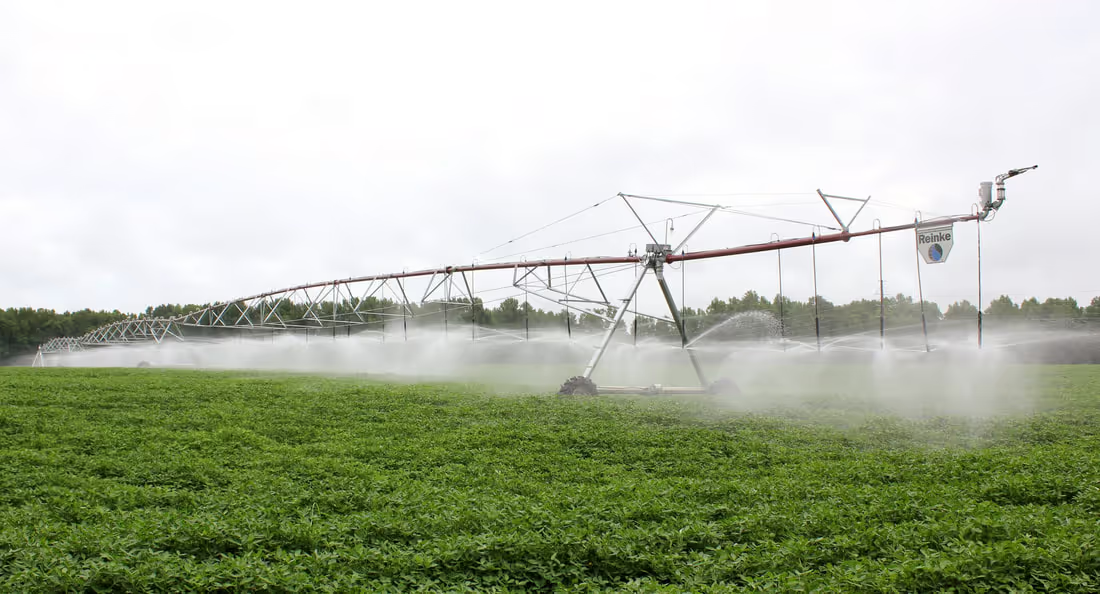
RÉCOLTE
Oignon
Les cultures d'oignons sont très sensibles au sous-arrosage ou à l'excès d'eau. Cet article traite des oignons secs cultivés en Oregon et dans l'État de Washington.
LIRE L'ÉTUDE DE CAS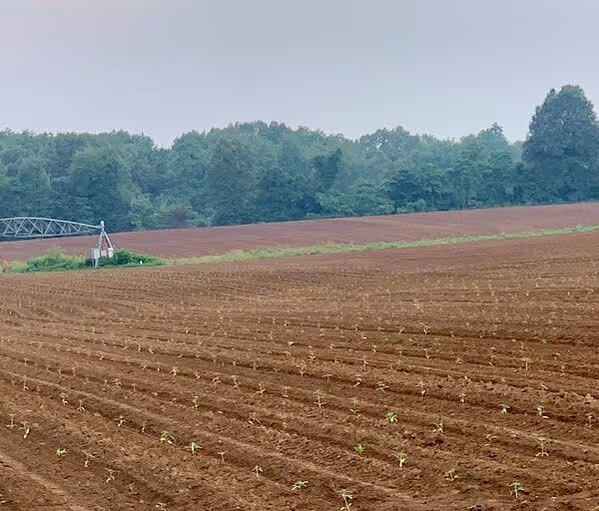
RÉCOLTE
Chanvre
Les producteurs agricoles des États-Unis profitent de l'opportunité de cultiver du chanvre industriel. Ils espèrent prendre pied dans une nouvelle industrie qui présente un fort potentiel pour l'avenir.
LIRE L'ÉTUDE DE CAS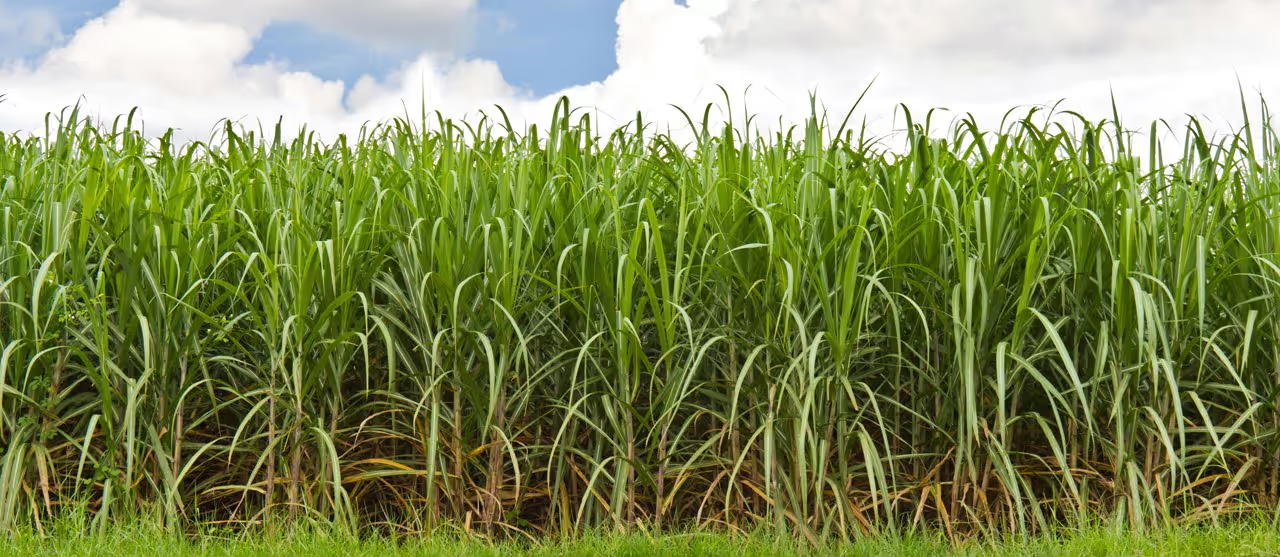
RÉCOLTE
Canne à sucre
La canne à sucre est une herbe tropicale largement cultivée pour la production de sucre, ainsi que pour la fabrication d'éthanol, de rhum, de biocarburants et de divers produits industriels.
LIRE L'ÉTUDE DE CAS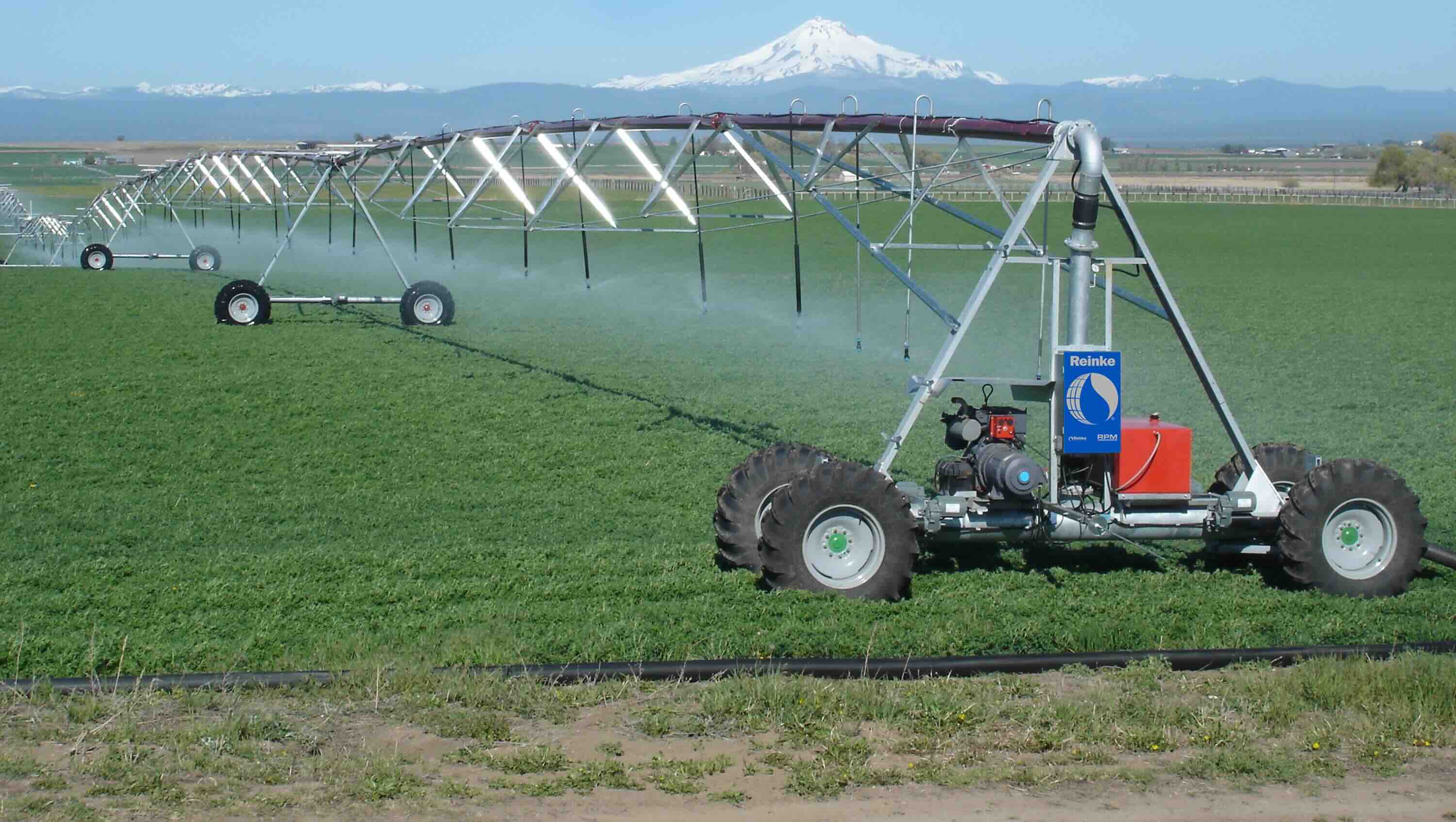
RÉCOLTE
Forage
Reinke’s irrigation systems ensure consistent, high-quality forage production for livestock by delivering precise water application across diverse field types. This boosts crop resilience, nutritional value, and overall animal performance while reducing feed costs and environmental risk.
LIRE L'ÉTUDE DE CASAucun article n'a été trouvé.
témoignages
De vrais résultats. De vrais cultivateurs.
« L'une des choses avec Reinke, c'est qu'ils ont perfectionné le GPS sur les appareils de pointe. Nous avons des virages guidés par GPS et nous avons une bonne machine qui continue de tourner en rond et de mettre l'eau là où c'est nécessaire. »
—Erik Skone, Irrigation et approvisionnement de Skone
« Ce qui a rendu [le système] facile à utiliser, c'est le fait que je peux le contrôler avec mon téléphone ou mon iPad. Je peux le faire à la maison, sur mon ordinateur. Il existe de nombreux appareils différents que je peux utiliser. »
—Randy Fornoff, comté de Mason, Illinois
« Il résistera mieux à l'usure liée à la saison d'irrigation exigeante, durera plus longtemps et sera plus fiable pour le client. »
—Jarrod Watson, South Central Irrigation
VOUS AVEZ UNE HISTOIRE DE RÉUSSITE À PARTAGER ?
Partagez votre histoire avec nous.