








Choosing the right center pivot tires
Deep wheel tracks. Tires that lose traction in wet fields. Unexpected flats during the growing season. For growers, the wrong irrigation tire can create headaches that go beyond the wheel track.
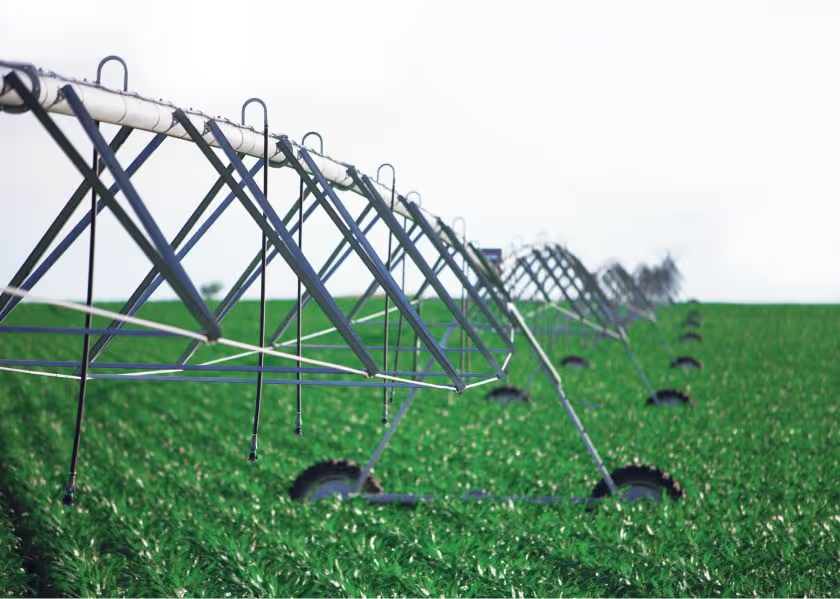
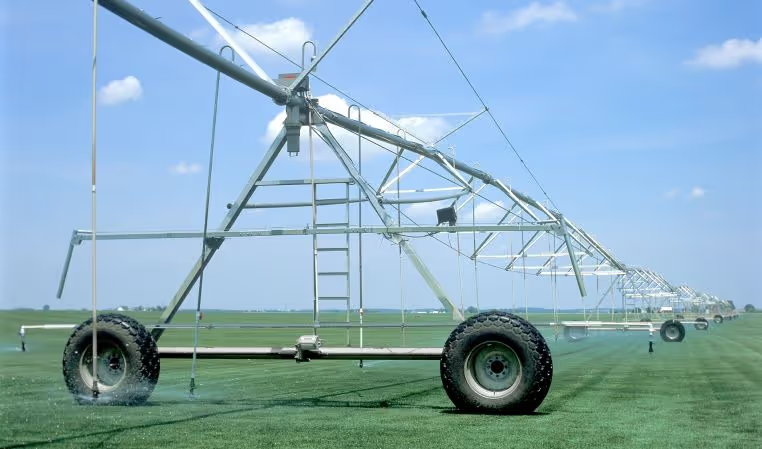
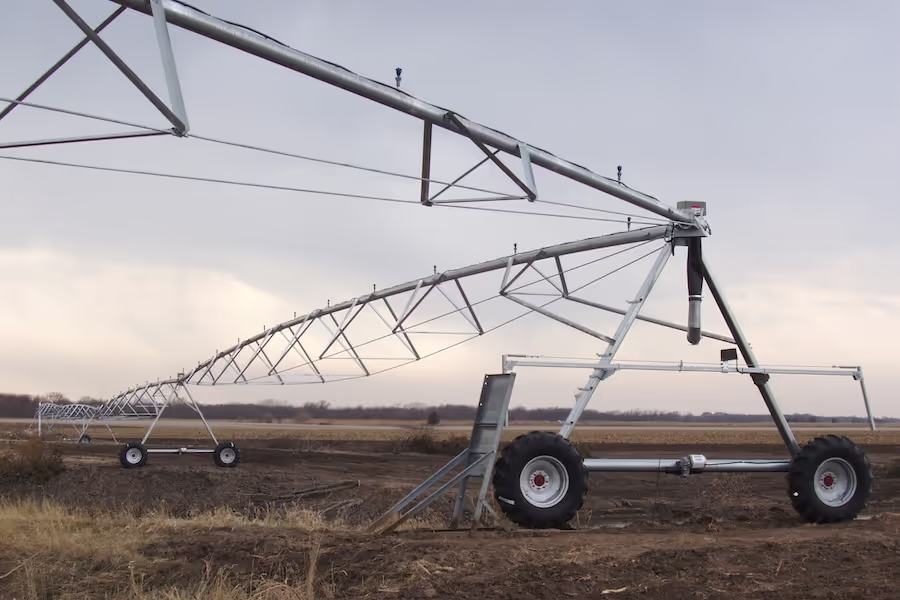
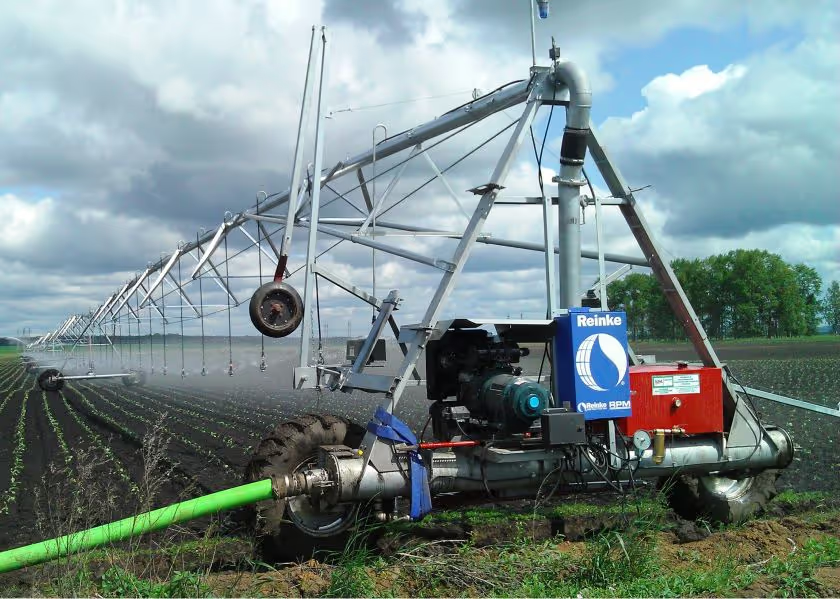
Choosing the right tires for your center pivot system starts with understanding your field conditions and the challenges you want to address. Soil type, moisture, terrain, system load, and crop clearance all play a role in determining which tire setup makes the most sense for your operation.
Whether you're trying to reduce rutting, improve traction on slopes or minimize downtime from punctures, understanding your options can help you make a more informed decision.
Start With Your Field Conditions
No two fields are exactly alike. Even within the same field, soil type and moisture levels can vary, making tire selection more complicated. Consider these factors when evaluating your current setup or choosing replacement tires.
Wet or soft soil: When soil becomes saturated, tires can sink and create deeper ruts. Wider tires or multiple tires may help distribute the system's weight over a larger area, improving flotation. The right choice depends on the soil conditions, system load and tire specifications.
Slopes and uneven terrain: Fields with hills or uneven ground require careful consideration for traction. Tread design, tire orientation and soil conditions can all affect how well an irrigation system moves across the terrain.
Rocky fields: Rocks and sharp debris can increase the risk of tire damage and punctures. Tire construction and resistance to cut sand punctures are important considerations. Airless tires may also be worth evaluating in fields where flats are a recurring problem.
Crop clearance: Tire diameter and width can affect clearance beneath drive towers and the potential for crop damage. Taller, narrower tires may provide additional clearance in some configurations, but they can also create deeper tracks in soft soil. Evaluate the trade-offs before making a change.
Your local Reinke dealer can help you assess your field conditions and identify tire options compatible with your irrigation system.
Which Irrigation Tire Is Right forYou?
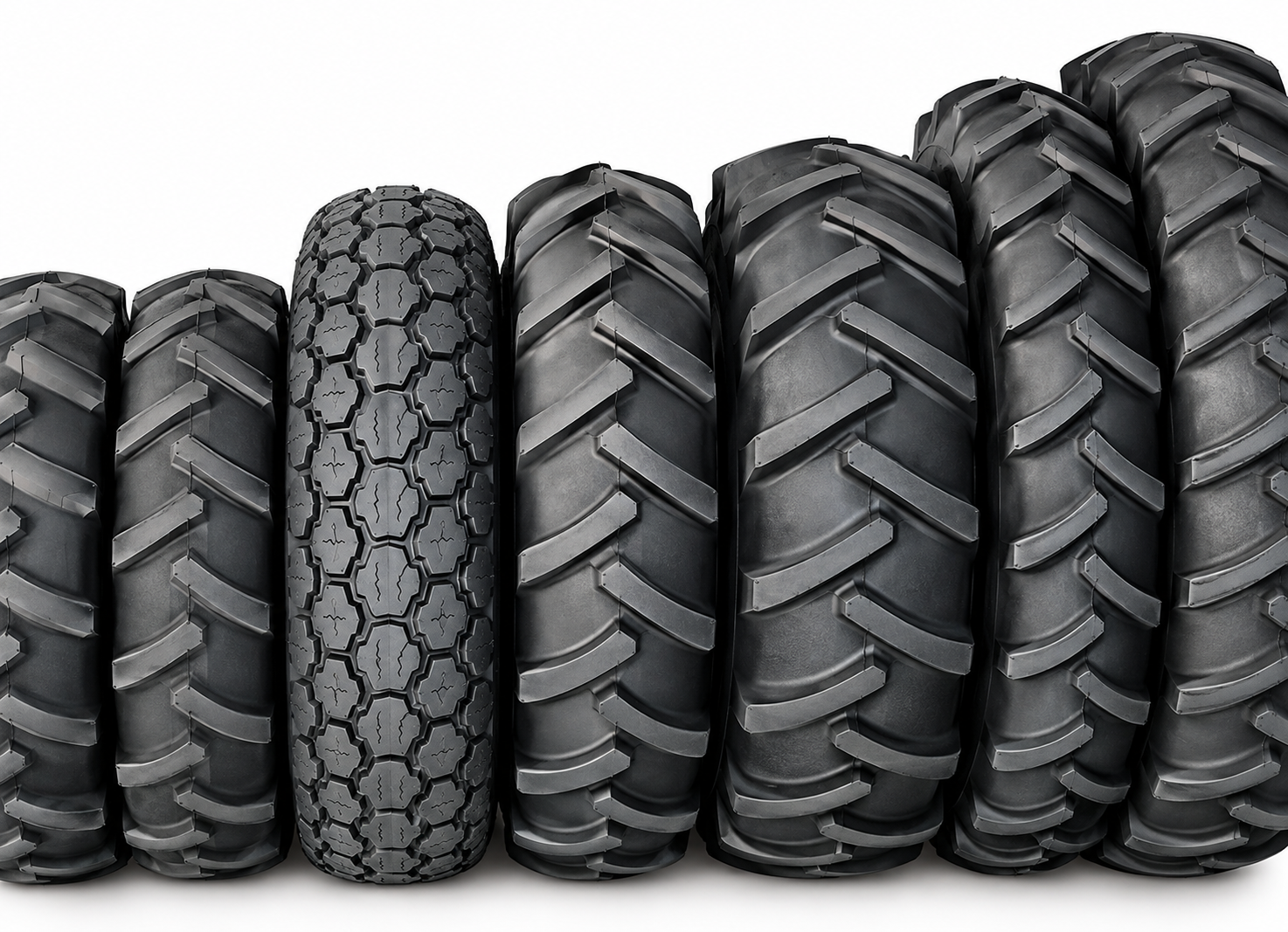
Center pivot systems can use several types of tires. Each offers different advantages and trade-offs, so consider your field conditions, maintenance needs, and budget before choosing.
1. Pneumatic Tires: Radial and Bias
Pneumatic tires use air pressure to support the load. They are available in radial and bias-ply constructions, each with different performance characteristics.
- Bias tires typically have a more rigid construction, with casing plies arranged diagonally. They may be a practical option where purchase price, sidewall characteristics and resistance to cuts are important.
- Radial tires have casing cords arranged perpendicular to the direction of travel, with stabilizing belts beneath the tread. Their construction allows the sidewalls and tread to flex more independently, which can influence flotation, rolling performance and wear.
Common tire sizes include 11.2-38 and 14.9-24, but the correct size depends on your system's requirements. Always confirm compatibility and load specifications with your Reinke dealer before selecting a replacement.
2. Airless or Flat-Free Tires
Airless tires use solid or molded materials rather than an air-filled casing. Because they don't rely on air pressure, they eliminate flats that could otherwise stop a pivot from advancing around your field.
The trade-off is typically a higher upfront cost. Consider the purchase price alongside the potential costs of tire repairs, replacement and irrigation downtime when evaluating whether an airless option makes sense for your operation.
Rhinogator and MachII are examples of airless tire products identified in this category.
3. Rubber or Segmented Airless Tires
Segmented airless tires use individual rubber sections assembled into a wheel. Some designs feature open or concave profiles intended to influence how the tire interacts with the soil.
For example, Shark Wheels use a distinctive sine-wave design. As with other specialized tire designs, performance depends on the tire model and field conditions. Ask your dealer about compatibility with your irrigation system.
4. Steel Wheels
Steel wheels offer an alternative to conventional rubber tires and cannot develop air-loss punctures. However, traction, shaking, maintenance frequency and the effects of wheel movement on the gearbox should be considered.
Some designs use specialized shapes intended to reduce rutting. Agri-TRAC, for example, features a concave shape and a rolling design intended to reduce wheel-track depth.
Discuss the benefit sand trade-offs of steel wheels with your Reinke dealer before deciding whether they are appropriate for your fields.
Flotation vs. Traction: What Matters Most?
Two important considerations in irrigation tire selection are flotation and traction. Understanding the difference can help you identify what your field needs.
Flotation helps keep tires from sinking into soft soil. It depends on factors such as tire dimensions, load, inflation pressure for pneumatic tires and soil conditions. Wider tires or multiple tires can distribute weight over a larger area, potentially reducing ground pressure and rutting.
In some applications, adding a third tire to a drive tower may improve flotation. With Reinke’s stronger and lighter irrigation system, growers can consider their unique 3-Wheel Flex option. The award-winning design provides for smooth irrigation over any terrain with a structure that minimizes soil compaction and reduces component stress.
The 3-Wheel Flex Tower Base is engineered to keep all three wheels on the ground at all times to evenly distribute the load and reduce wheel ruts. Fields with difficult conditions should consider this patented option.
Traction helps tires maintain grip as the system moves. It becomes especially important on slopes, uneven terrain and in certain soil conditions. Tread depth, tread design, correct mounting orientation and the interaction between the tire and the soil will all influence traction.
More aggressive tread patterns may provide additional grip in some conditions, but no single tread design is ideal for every field. Consider whether your main concern is sinking, slipping or a combination of both.
The goal is to select a setup that helps your pivot move reliably without creating unnecessary soil disturbance.
Understanding Irrigation Tire Sizes
Have you looked at a tire and wondered what the numbers mean? Understanding tire sizing can help you compare options and communicate with your dealer.
Consider the example280/85R24:
- 280: The nominal tire width in millimeters, approximately 11 inches.
- 85: The aspect ratio. The tire's nominal sidewall height is 85% of its nominal width.
- R: Indicates radial construction.
- 24: The wheel or rim diameter in inches.
Tire dimensions andsizing vary by tire type and manufacturer, so use this example as a guiderather than a specification for your system. Before ordering replacement tires,confirm the existing tire size, wheel compatibility, load requirements andmanufacturer's recommendations.
Ply Ratings and Tire Construction
When comparing pneumatic tires, you may encounter different ply ratings, such as 4-ply or6-ply options. These ratings relate to a tire's load-carrying classification and construction requirements; they do not necessarily indicate the actual number of casing plies.
A higher ply rating does not automatically make a tire the best choice. The appropriate ratingdepends on the tire's specifications, load and operating pressure.
When comparing tires for rough, rocky or muddy fields, consider load capacity, casing construction,cut resistance and the manufacturer's recommendations. Your dealer can help you compare options without sacrificing compatibility or appropriate load capacity.
Directional vs. Non-Directional Treads
Tread design affects how a tire interacts with the ground. Two common categories are directional and non-directional treads.
Directional treads, or V-shaped tread, are designed to perform with a specific direction of rotation and shouldn’t be reversed or crossed. Incorrect orientation can pack soil, reduce traction and deepen ruts.
Non-directional treads are designed to work in either direction of rotation, which can offer more flexibility when positioning or replacing tires. It will perform the same way regardless of which direction it rotates.
If your irrigation system struggles with traction or creates excessive wheel tracks, ask your dealer whether a different tread design could help.
When Should You Use Inner Tubes?
Inner tubes may beappropriate for certain tire and wheel combinations, but they aren't auniversal solution for tire challenges.
Before installing a tube, consider the condition of the tire, the type of wheel and the tire manufacturer's recommendations. A tube may be suitable for some uses, but it should not be used as a substitute for repairing or replacing a structurally damaged tire.
Radial tires are designed to flex, and adding a tube where it isn't recommended may affect performance or contribute to wear. Always check the manufacturer’s recommendations before installing tubes in radial tires.
Consider using an inner tube:
- Sealing a slow leak: If a tire loses air, but is otherwise in good condition, adding a tube can slow loss of pressure. Tires that lose are should be inspected to identify the cause rather than relying on a tube as a quick fix.
- Operating in harsh conditions: Tubes can add an extra layer of protection in rocky or rough terrain where punctures are more likely.
- Air retention in bias-ply tires: Some bias-ply tires hold air better with a tube, especially when used in high-load applications.
- Worn or older tires: Tires may develop cracks over time, the use of a tube in an effective solution to help seal those spots.
Your Reinke dealer can help you determine the appropriate solution for your tire and wheel configuration.
Keep Your Irrigation System Moving
The right irrigation tires can help address field-specific challenges, from rutting and traction to punctures and maintenance downtime. But the best choice depends on your soil, terrain, system requirements and operating conditions.
Before investing ina new set of tires, identify the problem you're trying to solve. Are you seeing deep wheel tracks after wet weather? Losing time to flats? Struggling withtraction on slopes? Or looking for a tire setup that better fits your crop clearance needs?
Your local Reinke dealer can help you evaluate your current tire setup, compare available options and identify a configuration suited to your fields and centerpivot system.
Don't let the wrongtires slow down your irrigation system. Contact your Reinke dealer to find the right fit for your operation.